From Wikinews, the free news source you can write!
Thursday, March 19, 2026
Imagine the colossal task of decorating an entire room with intricate paintings hundreds of years ago, before projectors or computer mockups existed. How did ancient artists transfer their grand visions to a vast wall surface with precision and consistency? It is a fascinating puzzle that reveals much about their ingenious methods. No, the Romans did not typically use sinopia or full-scale cartoons as preparatory drawings for their wall murals. At least not in the same way these techniques were later employed during the Italian Renaissance.
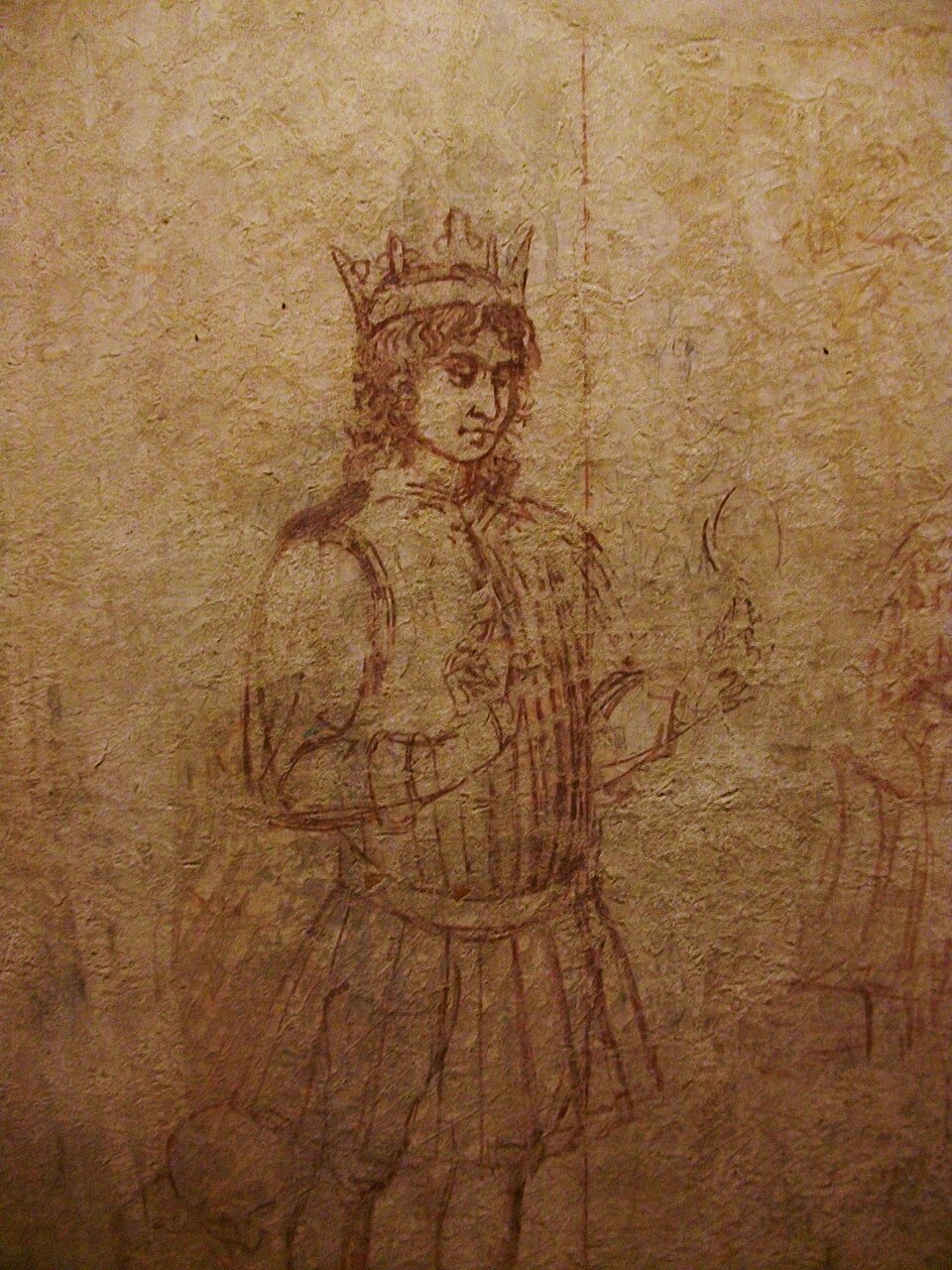
While Roman artists certainly planned their compositions, their methods for transferring designs to the wall were distinct and often more direct. The primary reason for this difference lies in the Roman approach to Fresco painting, which favored a technique known as buon fresco, or true fresco. In this method, pigments are applied directly onto a wet lime plaster. As the plaster dries, a chemical reaction occurs, permanently bonding the pigment to the wall. This technique required speed and precision, as the plaster remained workable for only a limited time, typically a single day’s work, which artists called a jornada. Instead of elaborate sinopia, which are underdrawings made on a preliminary dry plaster layer, or cartoons, large paper designs, pricked and pounced with charcoal dust, Roman artists often relied on simpler, more immediate methods. Instead of those techniques, Roman fresco painters used several practical approaches to guide their work. They frequently used string lines stretched across the wall to establish horizontal and vertical axes, ensuring architectural elements like columns or cornices were level and plumb. For repetitive patterns or geometric shapes, they might use stencils or templates. Crucially, freehand sketching directly onto the wet plaster with a stylus or brush was a common practice for outlining figures and other compositional elements. This direct sketching required immense skill and confidence, reflecting the mastery of the artist. Sometimes, faint initial sketches can still be seen beneath the finished paint layer today, offering a direct glimpse into their creative process.
A particularly clever Roman technique involved incised lines. After the initial wet plaster layer was applied, artists would often score outlines of their major compositional elements into the still damp surface using a pointed tool. These incised lines provided a durable guide that would not smudge or disappear as paint was applied. This method allowed for significant details to be mapped out directly on the final surface, ensuring accuracy without needing a separate sinopia layer or fragile paper cartoon, which were methods that gained prominence much later. Understanding these Roman preparation methods provides us with a deeper appreciation for their artistic skill and efficiency. It highlights how these ancient masters, without many of our modern tools, developed clever and effective systems to create breathtaking and enduring works of art. Their direct engagement with the wet plaster, guided by simple tools and practiced hands, speaks volumes about the
pragmatic brilliance of Roman craftsmanship, allowing them to produce the vibrant and complex murals that still captivate us today.