

The initiative comes “at a time when securing the sustainability of news media is more urgent than ever to protect the future of journalism and safeguard information integrity,” the agency stated.
A draft document open for consultation highlights significant shifts in the media landscape. These include reduced funding for public-interest journalism, the decline or closure of local and community news organizations, and other challenges signaling a “fundamental and ongoing change in the structure of the information economy.”
Few Players, Wide Influence
“A small number of large, multinational digital platforms and AI actors now occupy a central intermediary role between media and the public, shaping content discovery, influencing the conditions through which journalism reaches audiences, and mediating access to digital advertising markets in ways that have materially altered the economic conditions in which journalism operates,” the document notes.
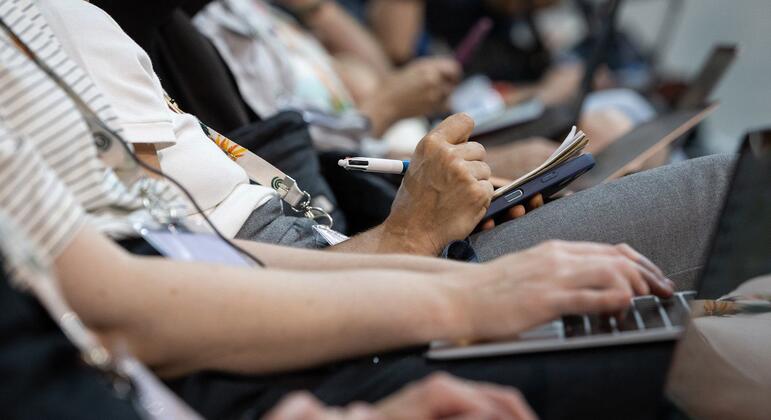
UNESCO is actively seeking feedback from governments, regulatory bodies, media organizations, civil society, academia, and other stakeholders. The consultation period runs until July 30.
Through an online survey, respondents are invited to share their insights and perspectives on how the document can be enhanced to support freedom of expression, bolster media viability, and champion the future of independent journalism amidst the rise of digital platforms and AI actors.
Submissions are welcomed in English, French, or Spanish.
Leading up to the deadline, three online regional roundtables are scheduled to foster dialogue and gather input from participants in Asia-Pacific and the Arab States, Africa and Europe, and the Americas and the Caribbean.
Supporting Media Diversity
The draft guidance builds upon UNESCO’s 2023 “Guidelines for the Governance of Digital Platforms,” which advocate for the support of media sustainability, diversity, and pluralism.
It also incorporates insights from the agency’s work on generative AI governance, human rights impact assessments, and global principles promoting fair compensation for journalism.
This initiative further underscores UNESCO’s ongoing commitment to strengthening media independence, sustainability, and viability.
The final version of the Guidance is expected later this year, accompanied by a report summarizing the key feedback and contributions received.