

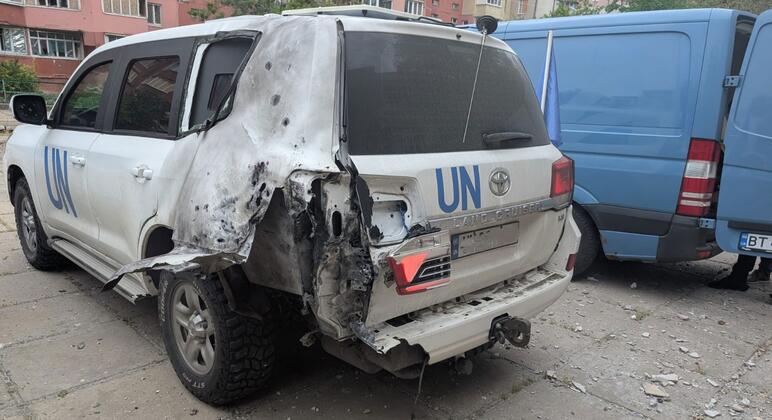
A United Nations relief vehicle, part of an inter-agency humanitarian mission led by OCHA, was struck in Ukraine despite being notified to the parties in advance. The UN Secretary-General reiterated the importance of respecting international law, including humanitarian law, and protecting civilians and civilian objects. The organization is investigating the incident.
The attack occurred as Russian forces launched a significant barrage of nearly 800 drones and 56 missiles across Ukraine, primarily targeting Kyiv. The UN Country Team in Ukraine described the assault as one of the most intense and prolonged since the full-scale invasion began, with continuous strikes lasting nearly 24 hours.
Humanitarian Crisis Deepens in South Sudan
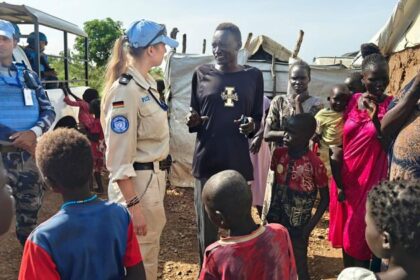
Humanitarian efforts have been intensified for families returning to South Sudan’s Akobo region following violence in early March that displaced tens of thousands. The UN Humanitarian Air Service (UNHAS) conducted an emergency airdrop of essential food and supplies in Bora village, Jonglei state, to support approximately 3,000 people in hard-to-reach areas where humanitarian access is severely limited.
Displacement Continues Amidst Damaged Facilities
The relief operation follows violence that forced families to flee to nearby villages and across the border into Ethiopia. Humanitarian facilities and storage sites were damaged or destroyed, disrupting operations and leaving vulnerable populations without access to food, healthcare, and other essential services. Health workers report a sharp increase in severe acute malnutrition cases among children.
In the past five days, UNHAS has transported humanitarian workers and cargo to support emergency response activities, including food assistance, nutrition screening, and medical support for returning families.
UN Chief Warns of Growing Pressure on LGBTIQ+ Rights
UN Secretary-General António Guterres has expressed concern over rising attacks against LGBTIQ+ rights globally, warning that hard-won progress towards equality is threatened by discrimination, hostile rhetoric, and restrictive laws. Marking the International Day Against Homophobia, Biphobia and Transphobia, Guterres noted that for the first time in years, the number of countries criminalizing consensual same-sex relations has increased.
“When rights are under attack, LGBTIQ+ people are often among the first to suffer – scapegoated and exposed to greater risks to their safety, health and well-being,” he stated.
UN High Commissioner for Human Rights Volker Türk urged governments to repeal laws criminalizing same-sex conduct and combat discrimination and online hate targeting LGBTIQ+ communities.
Progress and Persistent Challenges for LGBTIQ+ Rights
While some countries have seen progress, such as the decriminalization of same-sex relations in St. Lucia and Botswana, and the election of Nepal’s first transgender woman parliamentarian, many nations continue to criminalize same-sex relations, with some retaining the death penalty. Burkina Faso introduced legislation criminalizing same-sex relations over the past year, and Senegal increased prison terms for same-sex acts.
Türk also highlighted the rise of hostile political rhetoric and online abuse targeting LGBTIQ+ individuals, particularly transgender communities, and the impact of funding cuts on civil society organizations. Guterres emphasized that democracy relies on equal participation and dignity for all, regardless of sexual orientation or gender identity, underscoring the importance of living free from fear and participating equally in society.