

A joint message from Brazil’s President Luiz Inácio Lula da Silva and World Health Organization (WHO) Director-General Tedros Adhanom Ghebreyesus underscores the global responsibility to protect humanity and prevent the devastation seen during the COVID-19 pandemic, which claimed 20 million lives and erased $13 trillion from global economic output.
The COVID-19 pandemic in 2020 saw hospitals overwhelmed, families lose loved ones in isolation, and frontline health workers under unprecedented pressure. This collective trauma spurred a promise among nations: never again to be caught unprepared for a pandemic.
An ‘Act of Hope’ in a Divided World
Over a year ago, countries adopted the WHO Pandemic Treaty, committing to collaborate more effectively to prevent, prepare for, and respond to pandemics.
“This outcome was not to be taken lightly in a divided world. It was an act of hope and a demonstration of our faith in each other. We are calling on you now because that hope has not yet been fulfilled, and it is in your hands to help fulfill it,” the letter stated.
President Lula and Tedros highlighted the Pandemic Treaty’s crucial, yet unfinished, element: the pandemic preparedness and response (PPR) instrument, specifically the proposed annex on pathogen access and benefit sharing (PABS).
This framework allows countries to rapidly identify and share genetic information of dangerous pathogens, enabling scientists to develop life-saving tests, treatments, and vaccines.
Without the annex, the Pandemic Treaty cannot formally enter into force, and the promise remains unfulfilled.
Complex Challenges Persist
The challenges in finalizing the PABS annex are complex, particularly concerning how the benefits from shared pathogens will be equitably distributed and how governance will ensure fairness.
These are questions that have previously gone unresolved and contributed to protection gaps during COVID-19.
Negotiators are set to reconvene from July 6-17 to close these gaps.
Three Critical Requests
The call emphasizes three critical requests to global leaders:
- Top-Level Political Will: Leaders must prioritize finalizing the annex text and empower negotiators to reach a bold consensus. The treaty does not undermine national sovereignty or grant the WHO authority to impose measures like quarantines or mandatory vaccinations; these decisions remain with individual nations.
- Spirit of Equity: The PABS system is founded on equity. Those who rapidly share pathogens must have confidence that their populations will receive timely access to resulting vaccines and treatments. This approach recognizes pandemic preparedness not as charity, but as a sound strategy that reduces costs and lives lost by containing outbreaks early. Equitable access must be guaranteed, with clear, stable rules replacing ad hoc, crisis-driven processes determined by the prevailing situation.
- Sense of Urgency: Scientists estimate nearly a 25% chance of another pandemic within the next decade. Evolving environmental and social factors are creating new hotspots for disease emergence worldwide, while advances in biotechnology increase the risk of accidental or intentional release. The letter calls for July 17 to be treated as a firm deadline for the agreement to demonstrate global commitment and prevent dangerous delays.
The Next Essential Chapter
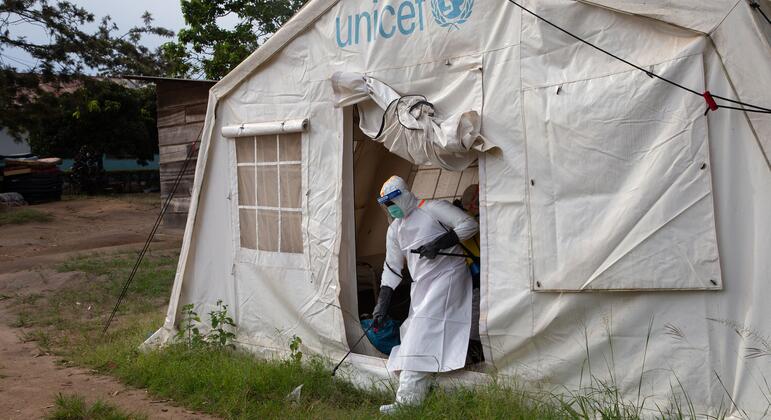
Current outbreaks, such as Ebola in multiple countries without adequate vaccines, highlight ongoing risks.
The letter reminds that compared to the staggering human and economic toll of COVID-19, investing in early outbreak detection and response systems like the PABS framework is modest and necessary.
Historically, the world has united to save countless lives by eradicating smallpox, nearly eliminating polio, and combating HIV, tuberculosis, and malaria.
“Finishing this agreement is not a departure from that legacy. It is its natural next chapter, and it is within reach,” the letter stated.