

Kharkiv, Ukraine’s second-largest city, is preparing for a peaceful future despite widespread destruction. City officials operate with the understanding that ‘without reconstruction, only ruins will remain, and those who left will not return.’
Waiting is Not an Option
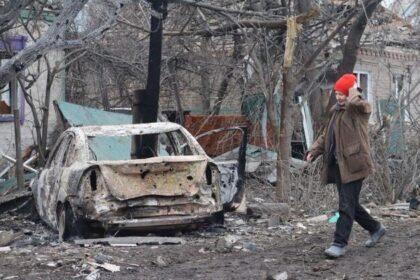
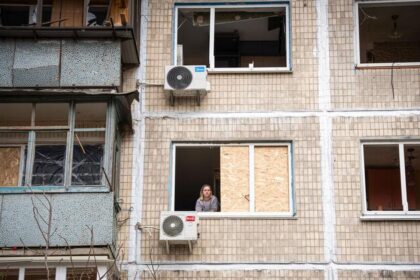
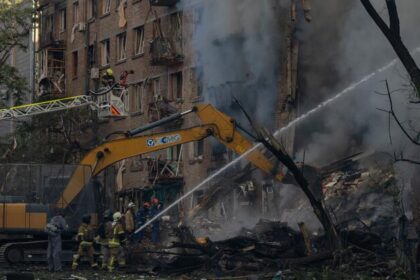
As one of the most heavily damaged cities following Russia’s full-scale invasion, Kharkiv has seen approximately 13,000 buildings damaged or destroyed, with 10,000 of these being residential. Around 160,000 people have lost their homes. City administrators and international organizations are working to construct a smarter, greener, and more resilient city post-war. The UN4UkrainianCities initiative, led by the United Nations Economic Commission for Europe (UNECE), is supporting the revitalization of Kharkiv and Mykolaiv.
Thâmara Fortes, project manager and architect, states, ‘The country is still under attack, and emergency work is still very necessary, but recovery and reconstruction must happen in parallel.’ The goal is to ensure that emergency interventions also serve long-term development.
A New Master Plan and Bold Initiatives
A new master plan for Kharkiv is being developed, focusing on sustainable infrastructure, affordable housing, innovative public spaces, and economic renewal. In heavily damaged areas like North Saltivka, five residential blocks and a kindergarten are being redesigned with energy-efficient insulation, modular extensions, and structural reinforcements. This includes projects such as the restoration of historic centers, the transformation of industrial riverbanks into green public spaces, the creation of a science and technology district near the university, and the conversion of coal-dependent industrial areas into clean production centers powered by renewable energy.
Furthermore, housing policy reforms are underway at the national level, addressing issues such as social rental housing and housing stock management legislation.
Hope in a City Under Threat
Kharkiv Mayor Ihor Terekhov remarks, ‘People are constantly under threat. But now is the time to imagine how we will restore the city and its future.’ Efforts are also being made to preserve the city’s unique architectural heritage. Although many structures, such as historical buildings near the Korolenko State Scientific Library and the art museum, have been damaged, work to protect the architecture continues.
The need for flexibility in projects is emphasized due to the challenges posed by the war. Essential services like electricity, internet, or shelter must adapt to constantly changing conditions. New housing projects are designed with dual-use underground areas that can serve as parking lots in peacetime and shelters during wartime. Schools and kindergartens will also feature underground learning spaces.
This approach is considered applicable to cities worldwide facing crises, including climate disasters and other emergencies, in addition to war. ‘Crises happen at the local level. Cities need to be prepared.’
A New Vision
Preparation in Kharkiv now means more than just shelters and emergency repairs. It signifies protecting communities, preserving identity, and creating reasons for people to stay or to return one day. Mayor Terekhov looks to the future with hope, stating, ‘Our cities will not be the same as they were before the war. We need a new vision.’