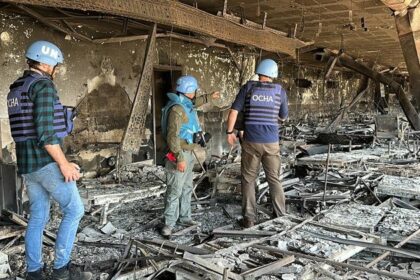


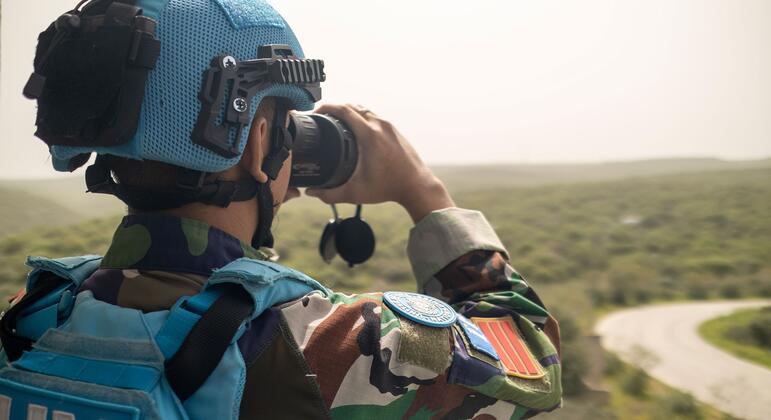
A Serbian national, identified as Sergeant Major Milovan Jovanivić, has died following an attack in Lebanon. UN Secretary-General António Guterres issued a statement expressing deep condolences for the fallen ‘blue helmet’.
Two other UN Peacekeeping Force (UNIFIL) members were injured in the incident and are receiving medical treatment.
UNIFIL announced that an investigation has been launched to determine the exact circumstances of the event, stating, “The violence must stop.”
While the source of the attack remains unclear, the incident occurred amid heightened clashes between the Israeli army and Hezbollah fighters, who are not affiliated with the Lebanese army.
UNIFIL warned that “deliberate attacks against peacekeepers are serious violations of international humanitarian law and Security Council Resolution 1701, and may constitute a war crime.”
Accountability is Essential
UN Secretary-General Guterres stated, “All attacks against peacekeepers must be thoroughly investigated, and those responsible must be held accountable through effective prosecution.”
Guterres also urged all parties to adhere to the cessation of hostilities declared on April 16, adding that the UN is “determined to support diplomatic efforts for the extension of the cessation of hostilities and the full implementation of Security Council Resolution 1701.”
The attack took place hours before a ceasefire agreement between Lebanon and Israel was announced by the United States. Hezbollah’s military wing leaders reportedly dismissed the agreement as “null.”
The UN Secretary-General welcomed the ceasefire agreement reached in Washington, calling on all parties to respect it and abide by international law.
Guterres urged “Hezbollah to respect the authority of the Lebanese government and its exclusive control over weapons, and called on Israel to fully withdraw from the northern line of separation. He expressed hope that the agreement would contribute to lasting peace.”
Paying the Ultimate Price
Serbian authorities confirmed that the peacekeeper died at a hospital in Beirut, where he had been receiving medical attention after the incident.
A total of seven UN peacekeepers have lost their lives in Lebanon since March 2.
UNIFIL issued a statement: “We extend our deepest condolences to the family, friends, and colleagues of the peacekeeper who lost his life in the line of duty. We also pray for the full and swift recovery of the injured peacekeepers.”
In its statement, UNIFIL highlighted the “increasing number of orbits and impacts” in southern Lebanon.
The violence erupted on March 2 when Hezbollah fighters opened fire on northern Israel. This incident followed shortly after Israeli-US bombings of Iran in late February.
The recent ceasefire agreement, which does not include Hezbollah, involves the establishment of “pilot zones” where the Lebanese army will assume control.
Living in Fear
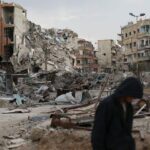
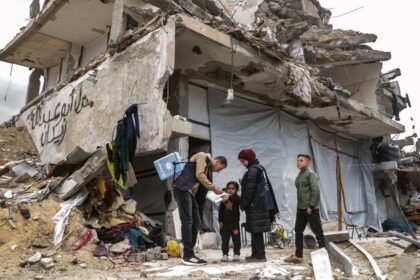
The violence has displaced over a million people in Lebanon to date, forcing communities to live in fear.
The UN Children’s Fund (UNICEF) reported that families in southern Beirut are hesitant to stay in their homes due to fear of attacks.
UNICEF spokesperson Christophe Boulierac stated, “Most come during the day, check their homes, and leave at night.”
Videos released on Monday showed long queues of vehicles departing from the southern suburbs of the capital following warnings from the Israeli Defense Forces about impending attacks on Hezbollah strongholds.
UN Spokesperson Stéphane Dujarric, in an update on Wednesday, stated, “In Beirut alone, approximately 200,000 people have been displaced from the southern suburbs following an evacuation order issued by the Israeli Defense Forces on June 1.”