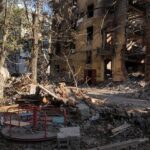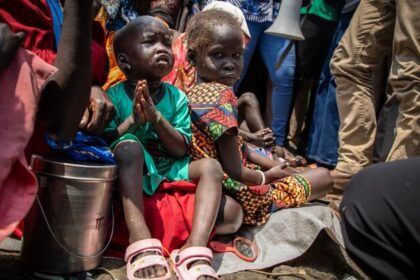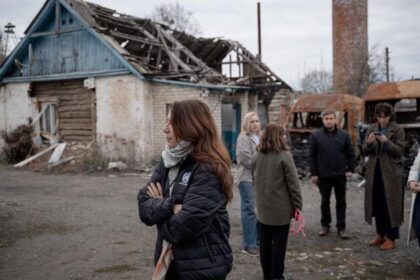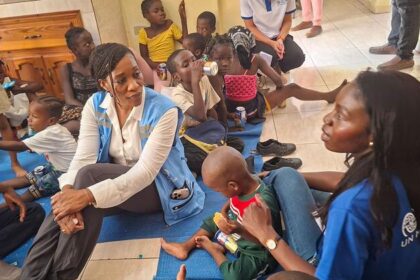


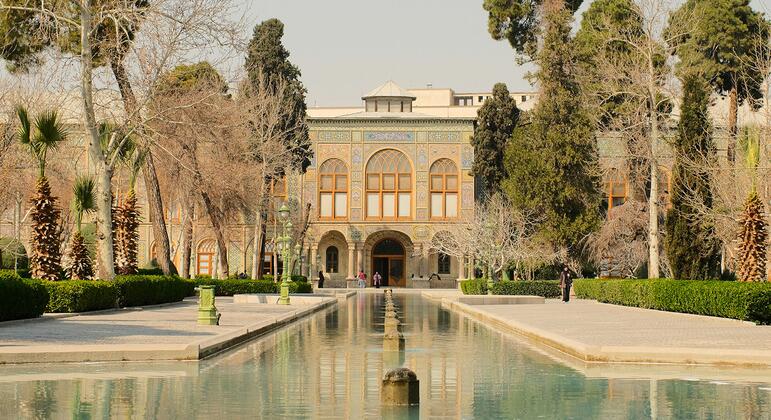
In Iran, several significant cultural sites are facing damage or are at risk due to ongoing conflicts. These include the UNESCO World Heritage sites of Golestan Palace, Chehel Sotoun Palace, and the Masjed-e Jame mosque, all located in Isfahan. Additionally, structures near the Prehistoric Sites of the Khorramabad Valley are also vulnerable.
UNESCO Issues Alerts for World Heritage Sites
These Iranian cultural landmarks are listed on the United Nations Educational, Scientific and Cultural Organization (UNESCO) World Heritage List. Other World Heritage sites, such as Israel’s White City of Tel-Aviv and Tyre in Lebanon, have already suffered damage within the initial weeks of the current hostilities.
A UNESCO official informed UN News that the agency communicates, “and will continue to communicate to all parties concerned the geographical coordinates of sites on the World Heritage List…to take all feasible precautions to avoid damage.”
UNESCO has also expressed concern that numerous other sites across the Middle East are endangered. These include locations in Armenia, Azerbaijan, Bahrain, Cyprus, Iraq, Jordan, Kuwait, Oman, Palestine, Qatar, Saudi Arabia, Syria, Türkiye, United Arab Emirates, and Yemen.
Education and Media Sectors Under Strain
The escalating security concerns are also severely impacting educational institutions and the media. Schools, universities, and journalists are facing increasing disruption and danger, putting education personnel, students, and infrastructure at risk.
“UNESCO is deeply concerned by the impact of the current security deterioration on education, science and research institutions across the region,” the agency stated, emphasizing the significant disruption to learning, research, and access to vital information. “This creates immediate risks for children, youth, teachers, researchers, and education professionals. It also weakens the institutions that societies depend on for recovery, dialogue, peace and stability.”
Warning of a ‘Deeper Learning Crisis’
UNESCO has warned that if the violence persists, the Middle East could face a “deeper learning crisis.” This crisis would be characterized by increased exclusion of the most vulnerable children, a loss of teachers and researchers, diminished public trust in institutions, and long-term damage to the region’s scientific capabilities.
The agency underscored that schools, universities, laboratories, and research institutions are more than just service providers; they are “part of the social fabric and future human capital of the region.” Therefore, UNESCO insists, “Protecting them is therefore not only a humanitarian necessity, but also fundamental for longer-term recovery, resilience and peace.”