In Kenya, agriculture employs up to 75 per cent of the population, but farmers’ livelihoods are being threatened by a changing climate and the loss of productive land, which is impacting the whole of Africa.
As droughts and extreme weather events in the East African nation increase in frequency and intensity, Maryanne Gichanga believes innovation is vital in helping Kenya’s agricultural community build resilience.
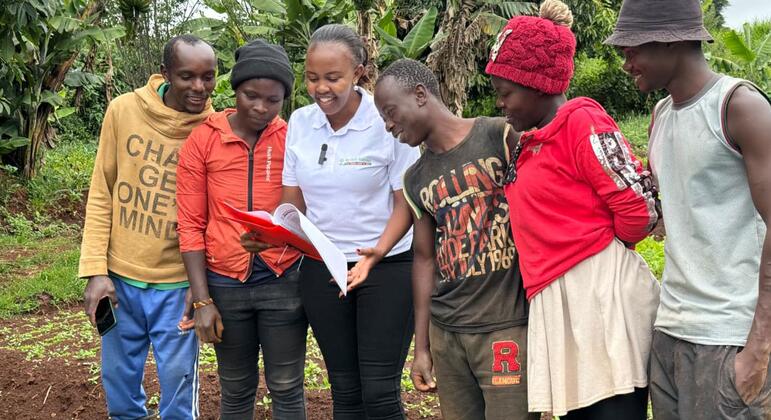
Farmers in Kenya are using new data tools to improve their productivity.
16-01-2026-Maryanne-Gichanga-03
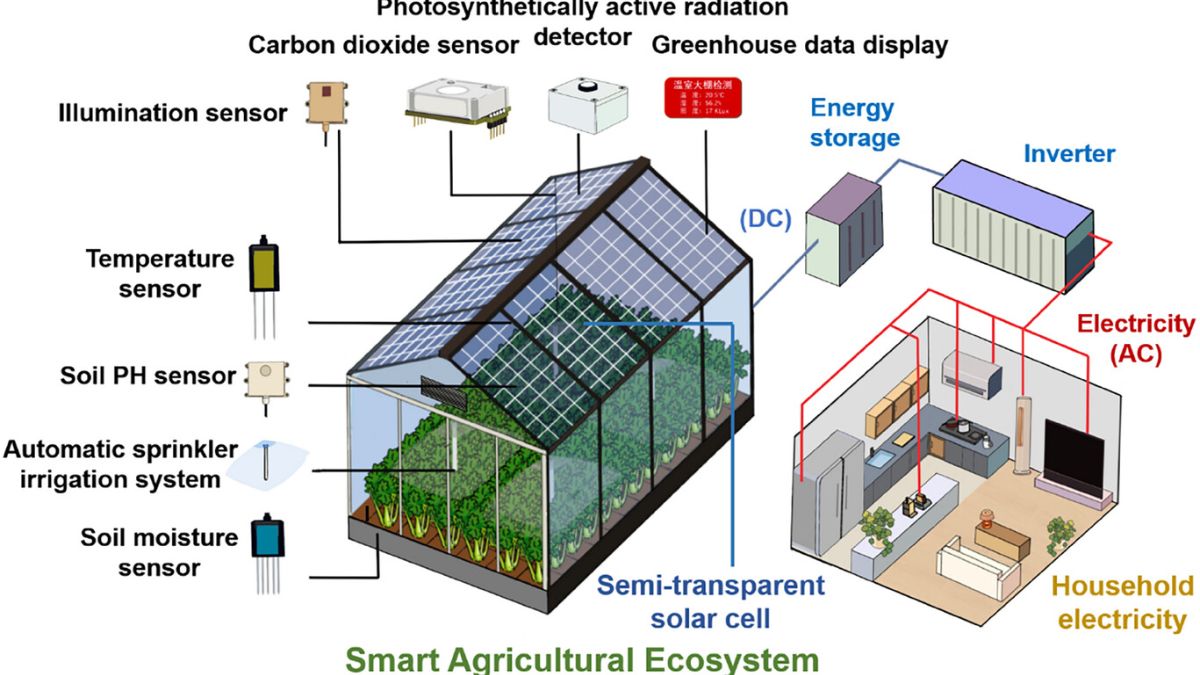
Speaking to the UN ahead of the International Day of Clean Energy Day, marked annually on 26 January, she explains how in a ‘male-dominated field’, she has succeeded in providing farmers with insights into soil and crop health as well as weather patterns by using solar-powered sensors and AI-powered satellite data.
From farmers to helping farmers
“I grew up in a farming set-up. My parents are farmers. I witnessed a lot of harvests, but when climate change started happening, we could not understand what was happening. Since our source of income was farming, when the harvest was bad, it directly affected our quality of life, and it meant that we could not go to school.
I always wanted to offer solutions to my parents and other people from farming families. That is what inspired me to start my company and get people who are like-minded to build this solution to support smallholder farmers.
Greenovations Africa, an initiative supported by the UN which supports women entrepreneurs like myself, was a very important part of the process, because they believed in companies that are small and offered them training and seed capital to help them grow.
Giving up is not an option
In Africa, communities are quite patriarchal. So, trying to get into this male-dominated field is a thing. It is hard. It has its own challenges, because people would rather work with a man. They feel that men understand what you do better than you do. In many places, they do not believe in female leadership; Even women offering solutions is not a thing they would take up.
What really helped me on this journey was persistence and having training and demonstrations to show what we do and that we know what we are doing. You cannot give up. Collaborate with the people you meet and eventually it will work out.
It is also important to keep your eyes on why you started; knowing that my parents are no longer struggling and thinking about the millions of children whose parents are farmers, and the futures of those children that would be jeopardized if their parents don’t have stable incomes.
Sometimes you look at how far you have come and think, giving up is not an option. So many people depend on you. That is what keeps me focused.
The reward
My highest point is when I see lives changed directly.
When you empower farmers, their lives change.
When you see a direct increase in crop yields or when people are no longer struggling, it makes you want to work even harder.
When you see that the farmer, who did not even have the money to buy seeds, is in control of the prices they sell their harvest on, that is very encouraging for me.
The call to others
To other women and girls who want to innovate in agriculture or climate action, I would just say go for it.
You will learn along the way, and there are a lot of people who will support you financially or offer technical support, advice, and training. There is no right time to start, and you will never be prepared enough – you just have do it…don’t be scared!”