


Rising production costs for conventional plastics, largely derived from oil and gas, are creating significant incentives to reduce waste, boost reuse systems, and invest in environmentally friendlier alternatives. Recent increases in raw material costs, partly influenced by geopolitical events like the closure of the Strait of Hormuz, directly impact the price of plastic production, prompting a potential shift in material usage.
The global plastic economy presents a dual challenge: it is not only a significant waste issue but also a critical factor in climate change. The escalating use of plastics, leading to increased pollution, poses a severe threat to biodiversity and contributes directly to global warming.
Plastics are predominantly manufactured from petrochemicals sourced from oil and natural gas. The United Nations Environment Programme (UNEP) highlights that plastics contribute to harmful greenhouse gas emissions throughout their entire lifecycle, from extraction and refining to production, transportation, and disposal. UNEP warns that these emissions, which drive climate change, are projected to rise if plastic production continues unabated.
Plastics are widely utilized globally due to their affordability, durability, light weight, and versatility. However, their applications vary in replaceability:
- Packaging: This sector, including food wrappers, bottles, and single-use containers, accounts for the largest share of plastic use and is the most easily replaceable.
- Construction: Materials like pipes, insulation, and window frames are significant consumers of plastics, with some potential for substitution.
- Consumer Goods and Textiles: Items such as polyester clothing, toys, and furniture utilize a considerable amount of plastic, offering mixed replaceability.
- Transport and Electronics: Vehicle parts and electronic components are major users, presenting challenges for quick replacement.
- Medical Uses: Critical applications like syringes, personal protective equipment (PPE), and sterile packaging are difficult to substitute with non-plastic materials.
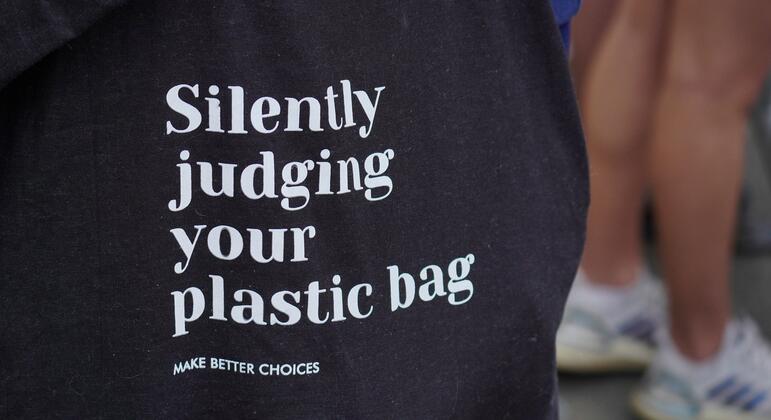
UNEP emphasizes the need to “rethink how we produce, use and dispose of plastics.” The key to identifying replaceable plastics lies in distinguishing between necessity and convenience. Approximately one-third of global plastics are considered easily replaceable, with many nations already implementing bans on items like plastic shopping bags and utensils, encouraging the adoption of reusable alternatives.
These shifts often become more economically viable as oil prices increase. Another third of plastics, including textiles, construction materials, and furniture, are partially replaceable, though substitutions can sometimes lead to greater environmental harm. Certain plastics with critical technical functions, such as those used in medical devices and electronics, are nearly impossible to replace.
UNEP clarifies that the objective is not to eliminate all plastics but to “end unnecessary, avoidable and problematic plastics.” It is important to note that not all plastic applications are equally detrimental; for instance, plastic insulation can reduce building emissions, and lightweight vehicle components can decrease fuel consumption.
As the cost of virgin plastic rises, several trends emerge: excessive packaging becomes less appealing, single-use items lose their price advantage, and public support for bans, levies, and recycling initiatives grows. UNEP identifies reuse as a potent market shift. Ultimately, while the demand for plastics is linked to fossil fuel consumption, escalating oil prices can act as an unseen catalyst for change. As fossil-based plastics become more expensive, nations have a viable path to reduce unnecessary plastic use, expand reuse and refill systems, adopt sensible alternatives, and decarbonize essential plastic applications. This positions plastics not merely as a waste management issue but as an integral part of the global energy transition.