


Francisco Pichón has highlighted the escalating risks to essential services in Cuba as the nation grapples with dwindling energy reserves. The UN’s top official in Cuba expressed concern that the crisis could worsen, leading to “acute humanitarian risks” for vulnerable populations.
‘Multiple Shocks’ Impacting Cuba
The current strain on resources follows a series of “multiple shocks,” including Hurricane Melissa in October, which impacted over 2.2 million people. Cuban authorities have implemented a month-long contingency plan to address the fuel shortage challenges, though future steps remain uncertain. The Resident Coordinator warned of a potential for the grave situation to pose “a real risk to human suffering.”. Daily life in Cuba is becoming increasingly fragile, with essential services being scaled back nationwide. The country heavily relies on oil, accounting for over 90 percent of its energy needs.
Medical and Water Scares Emerge
With five million people living with chronic illnesses, Mr. Pichón stressed that treatments are jeopardized by the ongoing energy crisis. This includes continuous oncology care for thousands of cancer patients and services for over 32,000 pregnant women. Additionally, nearly one million people, approximately 10 percent of the population, receive drinking water via tanker trucks, and a significant 84 percent of pumping equipment depends on electricity, he noted. Food security is also deteriorating, with disruptions affecting the entire supply chain. Social protection measures are weakening, and school programs and elder care centers are struggling to maintain their services.
Real Risks to Life and Aid Delivery
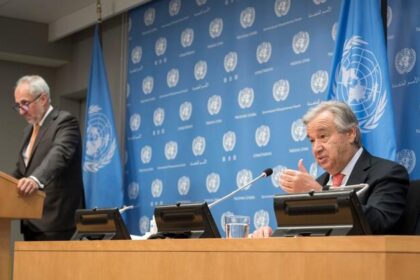
“The risk to people’s lives is not rhetorical; those who suffer first and suffer most are ordinary people, especially the most vulnerable,” Mr. Pichón informed reporters in New York on Wednesday. Amidst this challenging climate, delivering aid to those in need has become increasingly difficult due to energy scarcity hindering transportation and delaying import processes. “Our capacities would be constrained unless there is a humanitarian carve out for oil and aid,” he stated.
Call for Diplomatic Solution
Looking forward, Mr. Pichón urged the international community to pursue a “diplomatic effort that can be pursued with the United States” to address the crisis. Threats of imposing tariffs on countries supplying oil to Cuba have reportedly diminished following a Supreme Court ruling that deemed it illegal for the United States to utilize an emergency economic law in this context. Following an incident where four Cuban nationals were killed by the Cuban Coast Guard near a US-registered speedboat after a sea battle on Wednesday, Mr. Pichón called for “restraint to prevent escalation.”.