

Established in 1945 under the UN Charter, the Economic and Social Council (ECOSOC) was conceived to ensure that peace and security are underpinned by economic stability, social progress, and international cooperation. Eight decades after its inaugural meeting in London in early 1946, ECOSOC continues to serve as a central, albeit often behind-the-scenes, driving force for the UN’s sustainable development efforts.
A Broad Mandate by Design
ECOSOC functions as the primary United Nations forum for policy dialogue on global economic, social, and environmental issues. It convenes Member States, UN specialized agencies, and other partners to deliberate on priorities, share evidence, and reach agreements on collective actions. Its mandate encompasses the coordination of regional economic and social commissions, functional commissions, expert bodies, and UN funds and programmes that deliver development assistance and policy guidance impacting daily life.
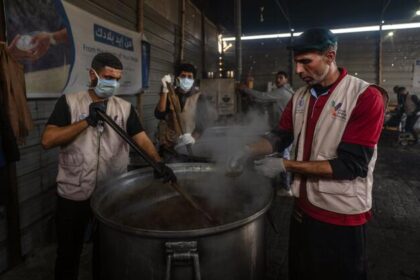
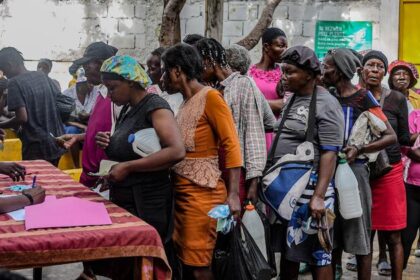
For those less familiar with the UN system, ECOSOC’s practical impact is what sets it apart. It helps shape the UN’s response to disasters, supports countries in crisis recovery, and harmonizes international efforts to alleviate poverty, generate employment, and safeguard the environment. Furthermore, ECOSOC is tasked with following up on major UN conferences and summits, ensuring that high-level commitments remain relevant beyond media attention.
Evolving with a Changing World
Over time, ECOSOC has adapted to a dynamic global landscape. Its membership has grown from 18 founding countries to 54 today, with Member States elected by the General Assembly for overlapping three-year terms to ensure geographical balance. Reforms within the General Assembly over the past decade have strengthened ECOSOC’s coordinating role within the UN system, enhancing its capacity to identify emerging issues, foster innovation, and integrate the economic, social, and environmental dimensions of sustainable development.
Implementing the SDGs
A significant focus of ECOSOC’s current work involves the implementation of the 2030 Agenda for Sustainable Development, the UN’s global framework for ending poverty, protecting the planet, and ensuring prosperity for all. ECOSOC provides political guidance and oversight for this agenda through its annual work program, bringing together ministers, senior officials, civil society leaders, academics, and the private sector around shared priorities. Central to this effort is the High-level Political Forum on Sustainable Development (HLPF), convened annually under ECOSOC’s auspices. The HLPF reviews progress on the Sustainable Development Goals (SDGs), including voluntary national reports from governments assessing their achievements and challenges.
Seldom in the Headlines, Yet Crucial
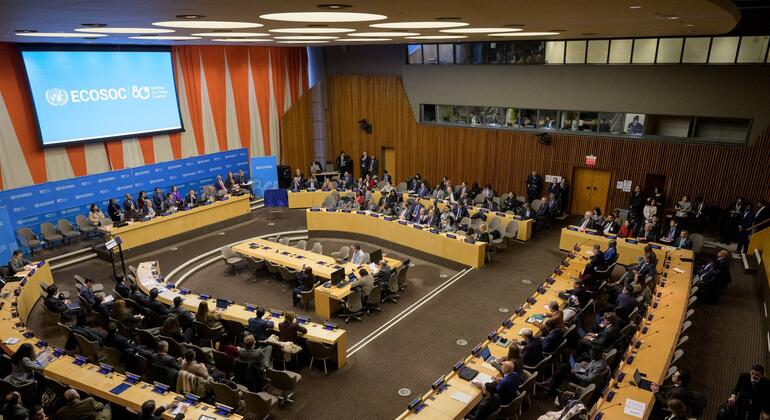
Unlike prominent bodies such as the General Assembly and the Security Council, ECOSOC’s meetings rarely make headlines. However, they reflect the intricate nature of modern global governance. The humanitarian affairs segment annually convenes governments and partners to enhance coordination in response to protracted and costly crises. Other segments, including those on operational activities, coordination, and management, guide the work of UN development agencies, review expert recommendations on diverse topics, and address country- or region-specific concerns requiring focused attention.
A Bridge for Civil Society
ECOSOC also serves as a vital link between the UN and the broader global community. Over 6,500 non-governmental organizations hold consultative status with ECOSOC, providing them a formal avenue to contribute expertise and on-the-ground perspectives to debates and decisions. Dedicated forums for youth, scientists, development partners, and other stakeholders underscore the understanding that global challenges necessitate inclusive solutions that extend beyond governmental actions.
80 Years Old, Still Indispensable
As ECOSOC marks its 80th anniversary on January 23, 2026, its fundamental mission remains constant: to promote cooperation in the pursuit of shared economic and social progress. In an era defined by interconnected crises—from climate change and inequality to humanitarian emergencies—the Council’s quiet yet critical work of coordination and consensus-building continues to shape the international community’s responses and underscore its enduring relevance far beyond the confines of UN conference rooms.