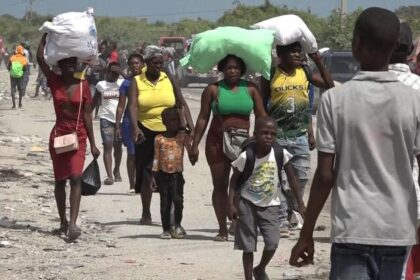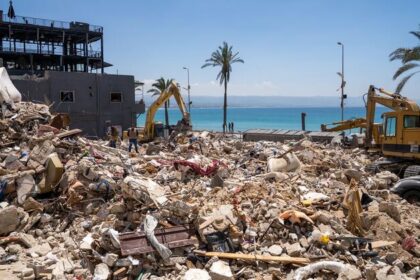


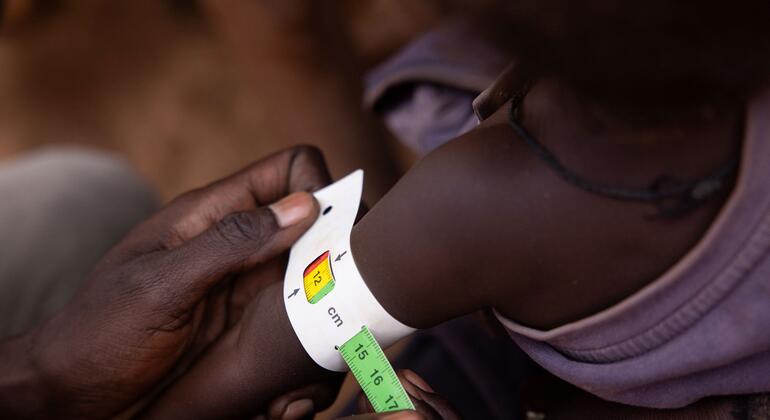
A new ‘Hunger Hotspots’ report released by the UN Food and Agriculture Organization (FAO) and the World Food Programme (WFP) on Wednesday has identified 13 countries and regions where food insecurity is expected to escalate between June and November 2026.
Most Critical Situations
Sudan, South Sudan, Yemen, and Palestine continue to be the most critical hunger hotspots. Nigeria and Somalia have been elevated to the highest risk category due to increasing concerns of famine. Conflict remains the primary driver of hunger, affecting 12 out of the 13 hotspots.
Carl Skau, WFP Deputy Executive Director, stated, “Conflicts, shocks, and disasters are forcing families to make impossible decisions about who to feed and who goes to bed hungry.”
Hunger Rises as Aid Declines
This warning comes at a time when funding for humanitarian aid continues to fall. Support for food aid, emergency agriculture programs, and nutrition interventions in crisis regions has seen an estimated 59% decrease between 2022 and 2025, reaching the lowest levels in a decade.
Concurrently, approximately 266 million people in these countries are facing severe food insecurity. Beth Bechdol, Deputy Director-General of FAO, commented, “The question is whether we will act early enough and at the scale needed.”
FAO highlights that urgent support for agriculture is one of the most effective ways to help families continue food production and reduce dependency on aid.
Most Severe Crises Detailed
Sudan remains the world’s worst hunger crisis, with famine risks expected to persist in parts of Darfur and South Kordofan until early 2027. Earlier this year, nearly 20 million people faced crisis levels of hunger or worse.
Yemen continues to experience one of the world’s most severe hunger crises. Previous projections indicated that over 18 million people could face severe food shortages.
In Palestine, conditions in Gaza remain fragile despite some improvements following a ceasefire in October 2025. Previously, it was assessed that over 1.6 million people required urgent food assistance.
Nigeria has been categorized as high-risk following projections that some areas of Borno State could face catastrophic hunger.
Somalia has also been elevated due to drought, conflict, and poor harvests, with famine risks identified in the Burhakaba Region.
Worsening Conditions and Future Threats
The report warns that new crises could further deteriorate the situation. Jean-Martin Bauer, Director of WFP’s Food Security and Nutrition Analysis Service, noted, “Economic shocks are increasing food insecurity, and climate change and climate variability are further intensifying the situation.”
Conflicts in the Middle East and the recent Ebola outbreak in the eastern Democratic Republic of Congo could further disrupt markets and humanitarian access. Climate risks are also escalating, with a potential El Niño event expected to bring drought and floods to already vulnerable regions.
FAO and WFP have called on governments and donors to increase support now to prevent the situation from worsening. FAO Director Rein Paulsen briefed journalists at UN Headquarters, stating, “Only about a third of the high-priority requirements identified for global food security funding and activities as of June 2026 have been met, leading to extremely difficult choices.”
The organizations emphasized that early action saves both lives and resources, warning that without stronger political commitment and more reliable financing, hunger is likely to deepen in some of the world’s most vulnerable communities.