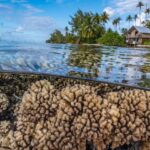


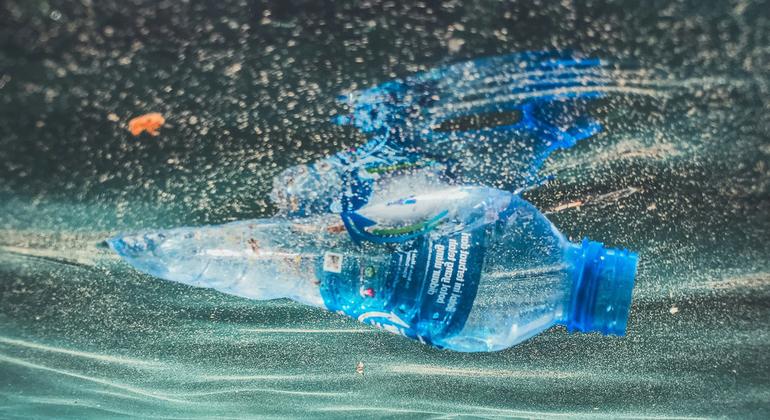
When plastics enter marine environments, larger pieces pose entanglement and ingestion risks to wildlife and can damage sensitive habitats like coral reefs. They eventually break down into toxic microplastics, contaminating the food chain. Even when physically degraded, their chemical bonds persist, prolonging their impact.
According to the World Ocean Assessment, the only study analyzing the world’s oceans across the three pillars of sustainable development—environmental, economic, and social—over 4,000 species of marine life are known to be affected by plastics.
Dr. Ian Butler, an editor of the 1,600-page report, stated that the entire marine system is affected in terms of feeding, metabolism, immune function, growth, and reproduction. This weakens and kills organisms, altering populations.
Ahead of World Oceans Day on June 8, here are five critical points about ocean plastics you should know:
1. Ocean Plastic Pollution Continues to Rise
The amount of plastic in the ocean is increasing due to mismanaged waste, litter, microplastic abrasion, and marine activities. Annual plastic waste emissions are estimated at 52.1 million metric tons. Regional differences exist: while litter is the largest source of pollution in the Global North, uncollected waste dominates in the Global South. These ‘leaks’ cause significant harm to the ocean. Dr. Butler noted that what we see is just the tip of the iceberg, with macro and microplastics comprising only three to four percent of the total ocean plastic, meaning the majority of the problem is dispersed, sunken, degraded, or difficult to recover.
2. The Smallest Plastics Present the Biggest Unknowns
Once plastic reaches the ocean, it’s not confined to coastlines or floating garbage patches; microplastics have been found everywhere from surface waters to the deepest ocean trenches. An estimated 24.4 trillion microplastic particles are present in the world’s upper oceans. Microplastics are plastic particles smaller than five millimeters, often resulting from the breakdown of larger plastic items. They can cause immune system changes, inflammation, reduced growth rates, and energy imbalances.
However, our understanding of nanoplastics and their long-term biological effects remains very limited. The less visible plastic becomes, the harder it is to detect, track, remove, and assess its risks. Simultaneously, it becomes easier for plastic to penetrate natural biological barriers like cell membranes. Dr. Butler explained that the concentration of these tiny plastics accumulates up the food chain, starting with the smallest organisms.
3. Single-Use Plastics Are a Major Source of Pollution
Single-use plastics account for approximately 40% of global waste, while fishing gear contributes about 15%. These proportions vary between high- and low-income countries. Mitigating the problem requires reducing production, promoting reuse, rethinking product design, improving recycling innovation, and finding alternatives to single-use plastics. Regarding sustainable alternatives, Dr. Butler emphasized that while altering plastic formulations helps, changing our dependence on disposable plastic is more crucial for the ocean. Recycling alone is not the solution; preventing waste from reaching the ocean is paramount.
4. Plastic Pollution Is More Than Environmental—It’s Social and Economic
While plastic pollution poses a significant threat to marine habitats, it also substantially reduces ecosystem resilience, human livelihoods, and food security. The costs of pollution place a heavy burden on ocean-dependent sectors. Tourism, fishing, and shipping lose billions of dollars annually due to reduced revenue and cleanup costs. Small-scale fisheries can be particularly vulnerable; plastic pollution is a major coastal and fishing issue, with evidence of plastic ingestion in 386 marine fish species, raising potential human health concerns.
5. Prevention is Key, and a Global Plastics Treaty is Needed
The solution isn’t solely more beach cleanups or increased recycling. Assessments suggest actions must focus on reducing production, improving material science, and finding alternatives to single-use plastics. An international treaty or convention is considered the most effective method for reducing plastic pollution. The Intergovernmental Negotiating Committee to develop a legally binding international instrument on plastic pollution, led by the UN Environment Programme (UNEP), has been established.
After six years of negotiations, an agreement has not been reached among the UN’s 193 member states. Dr. Butler noted that some countries feel specific restrictions would unfairly impact them, causing their economies, which rely on plastic production, to suffer disproportionately compared to others.