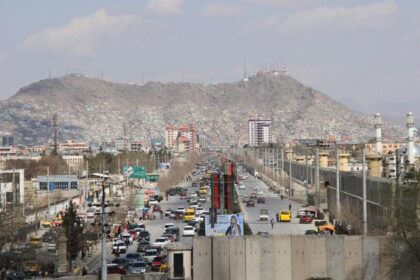


Afghanistan is grappling with an escalating crisis, with an estimated 28 million people living in poverty in 2025. This dire situation is exacerbated by mass population returns, a worsening drought, and significant reductions in international aid, placing immense strain on the nation’s economy.
Despite recording a second consecutive year of economic growth, Afghanistan’s real GDP expanded by a mere 1.9 percent in 2025, a decrease from 2.3 percent the previous year. With population growth reaching 6.5 percent, this resulted in an estimated 2.1 percent decline in real GDP per capita.
A report by the United Nations Development Programme (UNDP), titled ‘Afghanistan Socioeconomic Review,’ found that while the proportion of Afghans facing subsistence insecurity remained largely stable, an additional 1.4 million people were pushed into hardship. This increase followed the return of 2.9 million Afghans to the country during 2025.
‘Country Under Growing Strain’
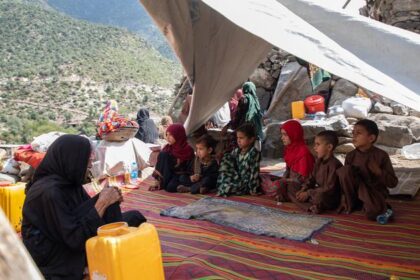
Millions of families in Afghanistan continue to struggle to access essential resources, including water, food, healthcare, housing, heating, and clothing. The report indicates that more than 80 percent of households are currently in debt, and nearly three-quarters of the population rely on negative coping strategies to manage daily survival.
“Taking stock of Afghanistan’s socioeconomic reality, this year’s report reveals a country under growing strain,” stated Kanni Wignaraja, UNDP Regional Director for Asia and the Pacific. The significant scale of returns has intensified the pressure, with nearly five million Afghans returning since 2023, many arriving in communities already facing severe economic hardship.
According to UNDP data, 92 percent of recent returnees reported an inability to secure life’s necessities, a stark contrast to the 74 percent national average. In provinces that have received the largest influx of returnees, formal employment is scarce, with only 3 percent of people formally employed and a staggering 78 percent dependent on casual day labor.
Climate Shocks and Restrictions on Women Compound Crisis
The report also highlights the deteriorating climate conditions, with drought affecting 64 percent of the country in the past year. Access to adequate drinking water saw a sharp decline, dropping from 59 percent in 2024 to 44 percent in 2025.
Concurrently, ongoing restrictions imposed on women and girls continue to weaken Afghanistan’s economy and labor force. Nearly 100 decrees issued by the Taliban de facto authorities since 2021 remain in effect, severely limiting women’s access to employment, education, and freedom of movement.
Afghanistan’s trade deficit widened to a record $11.3 billion in 2025, representing approximately 60 percent of nominal GDP. This widening gap is attributed to increasing imports and stagnant exports.
Aid Cuts Worsen Humanitarian Pressures
The decline in international assistance is further exacerbating the crisis. Total international aid to Afghanistan decreased by 16.5 percent in 2025, even as humanitarian needs continued to escalate. Consequently, over 440 clinics were compelled to close or reduce their services due to funding shortages, pushing the proportion of people unable to access healthcare from 16 percent in 2024 to 23 percent in 2025.
“Across Afghanistan, communities need more than short-term relief. They need a pathway to progress,” commented Stephen Rodriques, UNDP Resident Representative in Afghanistan. “Investing in jobs, services and local markets will help boost household economies and will be essential to give people a real chance to rebuild their lives and regain control over their future.”