

Approximately 850,000 Sudanese individuals are currently residing in Egypt, having fled the escalating conflict in their home country, which has now entered its fourth year.
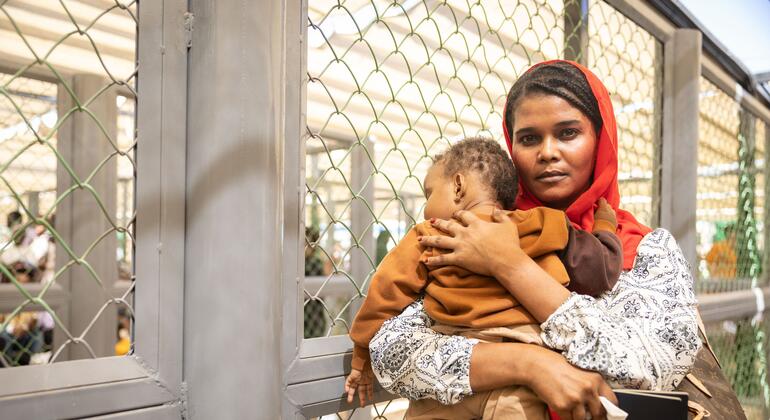
Among them is Nawal*, a widowed mother struggling to provide adequate food for her six children, the youngest of whom is frequently ill.
Supporting Refugees and Asylum Seekers
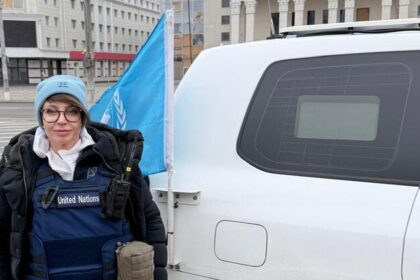
The UN Refugee Agency (UNHCR) provides assistance to Sudanese arrivals in Egypt through various services, including registration and refugee status determination, as delegated by the Egyptian Government, according to Christine Beshay, UNHCR spokesperson in Egypt, speaking to UN News.
The agency offers protection services, alongside health, education, child, and psychological support. Additionally, UNHCR provides cash assistance to the most vulnerable families, including Nawal’s.
However, this crucial support for refugees and asylum seekers is under threat due to what Ms. Beshay described as a severe funding shortage. This situation is exacerbated not only by recent changes in funding for humanitarian and development agencies but also by a significant increase in the refugee population in Egypt, which has risen from 300,000 three years ago to over 1.1 million.
Funding Decrease Impacts Aid
In 2025, funding levels have remained largely stagnant, comparable to 2022, prior to the Sudan crisis outbreak. Ms. Beshay stated, “The share of funding available to each refugee has decreased from $11 per month to only $4.” She further explained, “The $11 amount was already insufficient to cover all the refugees’ needs, and therefore, with the number of refugees doubling and funding shortfalls, the support we provide has been reduced.”
Programme Threatened with Suspension
Nawal and other recipients of UNHCR’s cash assistance program receive approximately 1,530 Egyptian pounds (around $29) per month. Nawal also works part-time to supplement this income.
Despite these efforts, the assistance is insufficient. Nawal has had to enroll only three of her children in school, while her eldest son has stopped attending to care for his younger siblings while she is at work.
Ms. Beshay noted that UNHCR generally prefers to provide cash assistance to refugee families, enabling them to make dignified choices about how to meet their needs, whether for rent, food, education, or healthcare.
Fewer Families Receiving Aid
The cash assistance program has only secured two percent of its required funding, Ms. Beshay cautioned, leading to a reduction in beneficiary families by “more than half.” She added, “Moreover, the programme is threatened with closure if we do not receive additional support in the next few weeks.”
“Most of the families receiving cash assistance are headed by a woman, and these families usually have school-aged children,” Ms. Beshay stated. “Therefore, when this support stops, the mother is forced to make very difficult decisions: whether to feed her children or send them to school.” She continued, “Also, when there is only one breadwinner for such a family with school-aged children – the mother – she cannot take up regular work to provide a stable income for the family.”
Training and Job Opportunities Offer Hope
UNHCR is collaborating with various entities to offer support to refugees. “We have recently seen something positive with regard to the private sector, as companies have begun, through their social responsibility, to provide support, whether through training or providing job opportunities,” Ms. Beshay reported.
This initiative opens up “new horizons” for refugees and asylum seekers to acquire new skills that could be utilized back home “when they have the opportunity to return in a safe and dignified manner,” Ms. Beshay concluded.
*Nawal’s first name is used to protect her identity.