

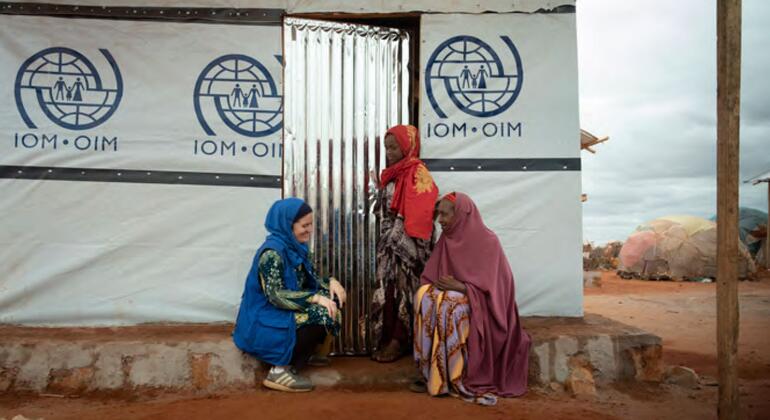
The World Migration Report 2026, released by the International Organization for Migration (IOM), highlights that establishing safe and regular migration pathways is central to reducing risks for migrants. The report analyzes how these pathways influence economies, societies, and communities globally.
For over two decades, IOM’s flagship publication has compiled worldwide data and analysis to enhance understanding of migration trends among policymakers and the public. Published during the International Migration Review Forum in New York, this year’s report indicates that restricting legal migration channels escalates risks for migrants, increases costs for nations, and diminishes the wider advantages that migration can offer.
Migration continues to be a significant factor in the global economy. As of mid-2024, an estimated 304 million international migrants, representing approximately 3.7 percent of the world’s population, were recorded. The number of migrant workers has also seen a substantial increase, growing by over 30 million between 2013 and 2022.
Benefits of Migration
“Migrants contribute as workers, entrepreneurs and consumers, and through the skills, innovation and connections they bring across borders,” stated IOM spokesperson Zoe Brennan. Financial contributions from migrants remain considerable, with remittances projected to reach $905 billion in 2024, of which $685 billion is expected to go to low- and middle-income countries. These flows surpass the combined total of official development assistance and foreign direct investment.
“Across the world, migration helps drive jobs, economic growth, stability and social cohesion,” said IOM Director General Amy Pope. She added that while nations have the right to determine their own migration policies, regional and global cooperation leads to safer and more effective outcomes.
Uneven Access and Rising Displacement
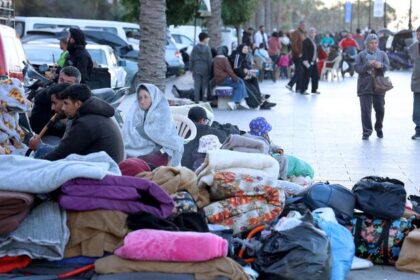
Despite these benefits, access to migration opportunities is not uniform. Higher-income countries tend to offer more pathways, whereas lower-income contexts have limited options. Migration patterns also differ significantly by region, emphasizing that there is no universal migration narrative. Concurrently, these trends emerge as global displacement reaches unprecedented levels. By the end of 2024, over 120 million people were displaced globally, encompassing refugees, asylum seekers, and internally displaced persons. A record high of 83.4 million individuals were displaced within their own countries.
The primary drivers of displacement include a combination of conflict, environmental pressures, and systemic vulnerabilities. Many extensive displacement situations necessitate a long-term, development-oriented strategy alongside humanitarian aid.
Migration Gains at Risk
However, the report cautions that the advantages derived from migration are under threat. As legal pathways become more restricted, migration is shifting towards more perilous routes, escalating both human and economic costs. “Ensuring safe and regular pathways and strengthening regional cooperation are concrete steps that help countries manage migration more effectively,” Ms. Brennan commented.
The IOM advocates for practical measures to sustain these benefits, such as expanding safe migration routes, reducing the cost of sending remittances, supporting skills mobility, and enhancing regional cooperation. The organization also stresses the importance of improved data collection and more inclusive, evidence-based policies for effective migration management in an evolving global landscape.