


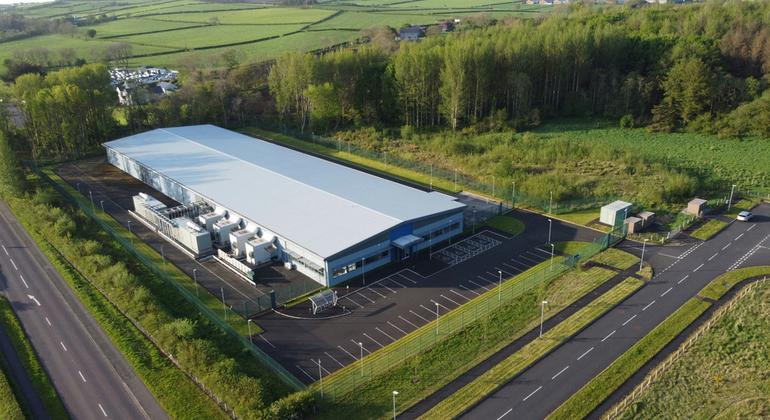
Data centers, the backbone of artificial intelligence (AI), are projected to consume 945 terawatt-hours of electricity annually by 2030. This figure nearly triples the combined annual electricity consumption of Pakistan, Bangladesh, and Nigeria, nations home to over 650 million people. However, this represents only the visible tip of the iceberg. Each unit of electricity consumed by data centers not only contributes to a carbon footprint but also carries a significant ‘water footprint’ for cooling and energy generation, alongside a ‘land footprint’ tied to energy production and supply chains.
Rethinking Sustainability Measurement Methods
A new study by the United Nations University (UNU) indicates that AI-related water consumption could equate to the annual basic domestic needs of 1.3 billion people by the end of this decade. Concurrently, AI’s land footprint may exceed 14,500 square kilometers, roughly double the size of the Jakarta metropolitan area. The report highlights a critical gap in measuring AI’s environmental impact. While greenhouse gas emissions associated with training large models are prioritized, other environmental costs are overlooked. Solutions perceived as ‘green’ in one aspect can exacerbate other pressures, particularly in regions grappling with resource scarcity. For instance, a shift to certain renewable energy sources might reduce carbon emissions but significantly increase water consumption and land use.
Everyday AI Use is a Major Driver
While public discourse largely focuses on the energy required for training advanced AI models, the study reveals that daily usage accounts for approximately 80% to 90% of the total energy demand. One popular AI service is estimated to process around 2.5 billion commands daily, consuming hundreds of gigawatt-hours of electricity annually. Energy consumption also varies dramatically by task. Generating a single AI image can require thousands of times more energy than simple text classification, with video production demanding even greater resources. Efficiency gains alone are not expected to offset this rising demand. The report points to the ‘rebound effect,’ where lower costs and improved performance lead to increased usage, ultimately driving up overall resource consumption.
Local Burdens, Global Benefits
The environmental impacts of AI infrastructure are not evenly distributed. While the benefits of the technology are global, its costs are often concentrated in specific regions. In some countries, data centers constitute a significant portion of national electricity consumption, straining energy systems. In others, expanding facilities heavily utilize water resources, sometimes under drought conditions. Simultaneously, the report warns of a growing e-waste problem, with AI infrastructure projected to generate up to 2.5 million tons of electronic waste annually by 2030. A substantial portion of this burden will fall on low-income countries with limited capacity for safe disposal. The production of critical minerals required for AI hardware also raises concerns about environmental degradation and social inequalities in extraction regions.
Widening Digital and Environmental Divide
The expansion of AI infrastructure is also creating new inequalities in access and impact. According to the report, over 90% of AI-specific computing capacity is concentrated in just two countries: the United States and China. Meanwhile, more than 150 countries lack significant local AI infrastructure. This imbalance not only limits economic opportunities but also raises questions of environmental justice, as some nations bear the environmental costs without benefiting from AI-driven growth.
Towards Responsible AI
Despite these stark findings, UNU researchers emphasize that the report is not an argument against AI. Instead, it serves as an urgent call for action to ensure the technology develops within planetary boundaries. The study presents a framework for a ‘responsible AI ecosystem’ based on principles of transparency, efficiency by design, equity, lifecycle responsibility, global cooperation, and sustainable use. Governments are urged to integrate AI infrastructure into energy, water, and land-use planning, while companies are encouraged to design systems that minimize resource consumption. Users also have a role to play by opting for applications with lower impact where possible. Ultimately, the report argues that the future of AI hinges not only on technological innovation but also on the governance decisions made today.