

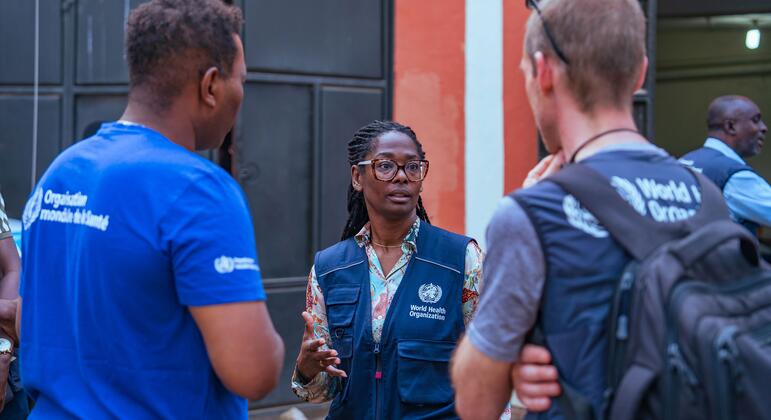
The Ebola outbreak in the Democratic Republic of Congo (DRC) and Uganda continues with over 780 confirmed cases and 180 deaths reported in the DRC, while Uganda has recorded 19 confirmed cases and two deaths. Despite significant expansion of the on-site response, including the establishment of approximately 400 beds and four operational laboratories with a capacity to process around 1,000 samples daily, the World Health Organization (WHO) states that efforts to control the epidemic remain insufficient.
Dr. Rose Belizaire, WHO Africa Lead for Emergency Response, described the current response level as “three or four percent” on a scale of one to ten, emphasizing the need for all partners to scale up their efforts to keep pace with the rapidly evolving epidemic.
Response Built on Eleven Pillars
The Ebola response encompasses more than just medical care, organized around eleven key pillars. These include community surveillance, investigation teams, transit centers for those awaiting test results, laboratories, treatment centers, infection prevention and control, and data management, all led by Congolese health authorities. When a suspected case is reported, an investigation team is dispatched. If the alarm is confirmed, the patient is moved to a transit center for laboratory results and then to a treatment center if necessary.
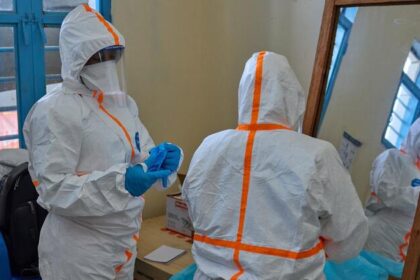
The intervention also provides comprehensive support for patients, their families, and those exposed to the virus. This includes psychosocial and nutritional support. Contact tracing involves providing food aid, and hospitalized patients receive three hot meals daily. Infection prevention and control measures, such as the disinfection and destruction of contaminated items, are also crucial to limit transmission.
Expertise Exists, Resources Are Lacking
During a recent visit to Beni, one of the most affected areas, Dr. Belizaire was impressed by the preparedness of local teams, noting their technical capacity and knowledge of what needs to be done. However, she highlighted a significant shortage of resources, including human resources and the necessary logistical support for a robust response.
Women Are at the Forefront
The demographics of the outbreak have shifted. Initially, the most affected group was men aged 20-49. Currently, women are the most affected category, with a rise in cases among children. Dr. Belizaire explained that in infectious disease outbreaks, women are often the most affected as they are the primary caregivers for family members.
A Responsive Intervention
WHO is adapting its response based on ground realities, engaging with all segments of the population to understand their needs. Dr. Belizaire met with various groups, including women, local entrepreneurs, motorcycle taxi drivers, and community leaders. She noted that entrepreneurs are concerned about the impact on their livelihoods, while motorcycle taxi drivers, who provide a significant portion of transportation in affected areas, are among the most at-risk groups. The intervention must be tailored to the specific context and mobility realities of the communities.
A Permeable Border
This reality is particularly evident in the border region between Aru in the DRC and Arua in Uganda. Dr. Belizaire participated in meetings aimed at strengthening cross-border collaboration and developing a joint action plan. The populations on both sides of the border are interconnected through intense commercial, familial, and humanitarian exchanges. Both countries have agreed to deploy joint teams along the border, strengthen laboratory capacity, and establish a treatment center jointly managed by Congolese and Ugandan teams. The goal is to improve access to treatment for people living on the Congolese side and reduce the need to travel to Uganda for care.
‘I Wanted to Say Thank You’
Dr. Belizaire recounted an encounter with a WHO colleague who had survived a previous Ebola outbreak in the DRC. The former survivor, now an epidemiologist with WHO, specifically sought her out to express gratitude for the actions that contributed to saving his life. He was among the first to raise the alarm during the current outbreak. This meeting underscored for Dr. Belizaire how experience from past outbreaks strengthens current interventions, highlighting the rewarding aspect of seeing survivors become colleagues.