

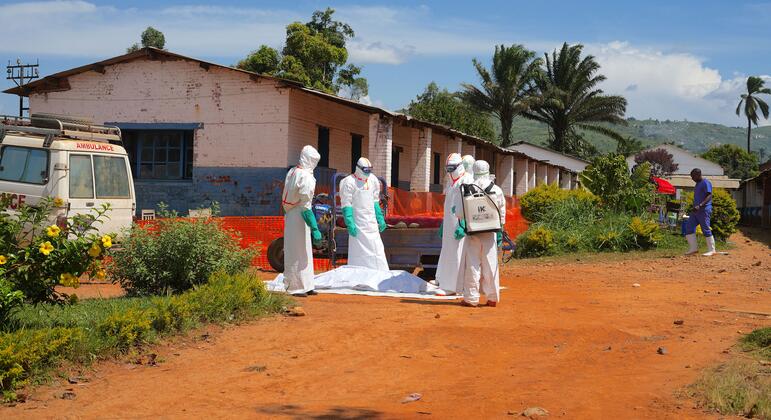
Trust is a critical factor in the ongoing battle against the Ebola outbreak in the Democratic Republic of Congo (DRC). A segment of the population is questioning the reality of the disease, undermining the efforts of healthcare workers and international aid organizations.
Doubts about Ebola’s existence are emerging as a primary obstacle to combating the epidemic. Erosion of public trust in health authorities and scientific facts negatively impacts vaccination and treatment processes, which are crucial for preventing the spread of the disease.
Health officials and experts emphasize that properly informing the public and rebuilding trust are vital for controlling the outbreak. A lack of confidence can lead to the concealment of the illness and delays in seeking treatment, creating fertile ground for the epidemic to spread to wider areas.
Discussions surrounding the reality of Ebola are causing social unrest and difficulties in accessing health services, particularly in regions where the disease is prevalent. This situation further complicates the fieldwork for teams battling the epidemic.
Building trust is seen as a shared responsibility between local communities and international actors. Transparent communication, sensitivity to local cultures, and the dissemination of evidence-based information are identified as key to successfully fighting Ebola.