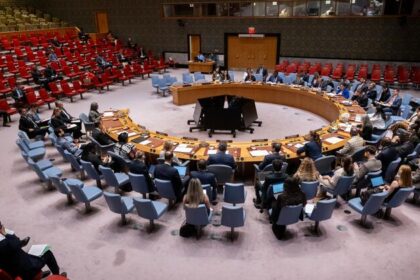


As Colombia approaches its presidential elections on May 31, the United Nations Security Council has received calls for calm and continued commitment to the peace process. Miroslav Jenča, Special Representative and Head of the United Nations Verification Mission in Colombia, emphasized the importance of the country staying on its current trajectory following the historic Final Agreement signed in 2016 between the Government and the FARC-EP rebel group.
Jenča urged all parties to ensure a safe, peaceful environment free from violence and stigmatization, condemning reported threats against presidential candidates and calling on authorities to guarantee the safety of all participants. The UN Verification Mission will support this by analyzing security risks and coordinating preventive actions, mirroring its role during the largely peaceful congressional elections held on March 8, 2026.
The Mission has been restructured to align with a refocused mandate established by resolution 2798 (2025), which includes the reintegration of former combatants, security guarantees, and comprehensive rural reform. Jenča highlighted that progress has been made in rural reform, but continued effort is needed. He stated, “By unlocking viable economic opportunities, it can also provide sustainable alternatives to illicit economies, thereby helping to break the cycle of violence.”
Challenges in Reintegration and Rural Stability
The reintegration of former combatants faces complications due to fragile socioeconomic, infrastructural, and security conditions in rural areas where many have settled. Clashes over territorial control and illicit economies in several rural areas, such as the Catatumbo region, are causing violence and hardship for communities. Jenča warned that persistent violence, territorial disputes, or governance vacuums risk undermining national stability and eroding past gains, noting that “The territories where the Agreement has not been sufficiently implemented are precisely where the most acute problems persist today.”
Rural Communities Seek Transformation and State Presence
Olga Lucia Quintero Sierra, General Coordinator of the Catatumbo Peasant Association, described honoring the peace agreement as a “real opportunity for transformation” for rural Colombians. She stressed that fragmented implementation weakens the agreement’s essence and emphasized the need to listen to communities. Despite recent escalations of violence in Catatumbo, signs of hope include social investment, university construction, and land allocation to rural women. Specifically, 54 women have benefitted from the allocation of 724 hectares of land, which Quintero Sierra stated is “the possibility of rebuilding our lives.”
She further articulated that “Peace in our territories is not an abstract concept – it is the real presence of the State” and “the possibility of living without fear.” She urged the Mission to continue verifying the deal and called on the new government to prioritize its full implementation. Colombia’s experience, she concluded, demonstrates that dialogue is the most effective path to building peace, even amid profound differences.