

UNESCO has placed 39 World Heritage sites in Lebanon under “enhanced protection” at the request of the Lebanese Government, marking the highest level of international legal protection available for cultural sites.
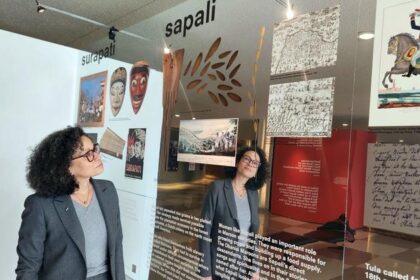
Krista Pikkat, Director of UNESCO’s Culture and Emergencies Entity, explained that this designation is granted to sites of utmost importance to humanity, providing them with the highest immunity from military attacks under the Second Protocol to the 1954 Hague Convention. Any state not complying with this convention could be found guilty of a war crime.
Living Heritage Under Threat
UNESCO has voiced concerns about the impact of ongoing hostilities on the region’s rich cultural heritage, reporting damage to over 20 cultural sites, including World Heritage Sites and those of national importance, since the outbreak of the war. The agency verifies these reports through satellite imagery analysis and on-site inspections.
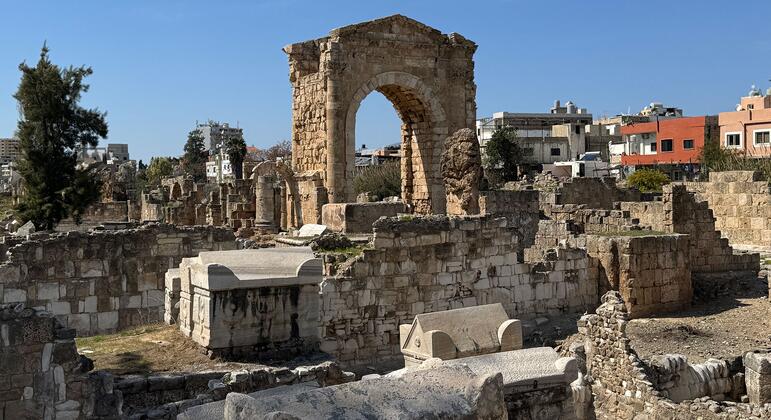
Damage has been confirmed at five cultural properties: a synagogue, the Golestan Palace, the Sa’dabad Palace, and the Old Senate Palace in Iran, as well as Tyre in Lebanon. Ms. Pikkat emphasized that it is the living heritage of communities that is under threat.
What Constitutes ‘Enhanced Protection’?
Lebanon currently has the most sites—39 in total—on UNESCO’s “enhanced protection” list. Ms. Pikkat clarified that this status represents the highest form of international legal protection and is reserved for sites of greatest importance to humanity, offering them maximum immunity from military attacks.
In Lebanon, UNESCO collaborates closely with authorities, including the Directorate General of Antiquities, to offer technical advice and support for emergency cultural heritage protection. This support includes training, emergency inventories, safeguarding measures, rehabilitation of storage sites, evacuation guidelines for movable heritage, and marking protected sites with the Blue Shield emblem.
More Than Just Structures
During conflicts, UNESCO strongly advocates for the protection of educational, cultural, media, and scientific institutions, recognizing their foundational role in future societies. The UN agency asserts that culture and heritage are crucial for defining identity, providing comfort, and supporting communities during wartime.
Targeting these societal cornerstones can deepen trauma, foster resentment, and impede recovery and dialogue. Ms. Pikkat highlighted that culture is not only fragile but also a vital source of resilience, an economic asset for recovery, and a pillar for peacebuilding.