

A joint report by the UN World Health Organization (WHO) and the European Union reveals that 74% of countries in the EU are utilizing AI tools for medical imaging, disease detection, and clinical decision support. Additionally, 63% of EU countries offer chatbot services for patients, as health systems integrate AI safely, fairly, and responsibly, according to the UN agency.
As AI becomes more prevalent in clinical settings, the WHO emphasizes the critical need for health professionals to possess the skills and knowledge to use these technologies effectively and safely, ensuring high standards of patient care. This development coincides with the EU’s preparation to implement the world’s first comprehensive AI regulation. The WHO-backed report also highlights the importance of broader consultation with patients and the public to build trust in AI, warning that a lack of meaningful public input could lead to resistance and potentially worsen patient care.
UN Welcomes Humanitarian Access Deal in DR Congo
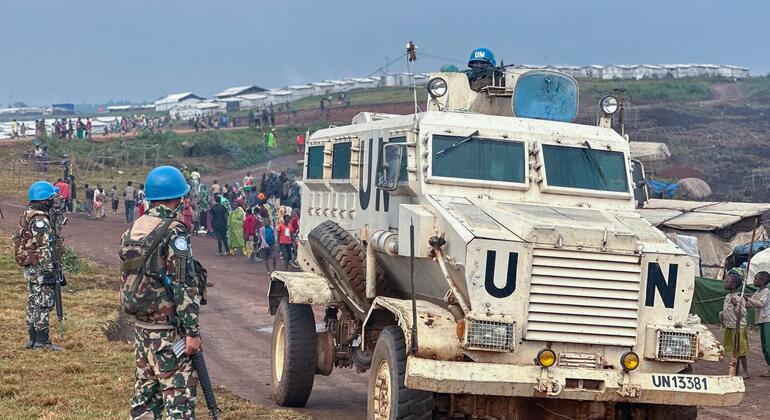
The UN peacekeeping mission in the Democratic Republic of the Congo (MONUSCO) has applauded a new agreement designed to facilitate the delivery of aid to regions affected by conflict. The Congolese Government and the AFC/M23, two significant armed groups, have signed a protocol on humanitarian access and judicial protection following talks in Montreux, Switzerland. MONUSCO has hailed the agreement as a crucial step towards ensuring rapid, safe, sustained, and unimpeded humanitarian access. This access is vital for delivering life-saving aid to civilians enduring the immense hardship caused by ongoing violence. MONUSCO Spokesperson Ndeye Khady Lo stressed the importance of continued commitment from all combatants for the benefit of civilian populations in eastern DRC. A separate memorandum was also signed to operationalize the Expanded Joint Verification Mechanism Plus, aimed at enhancing on-the-ground monitoring. However, MONUSCO cautioned that maintaining specific security conditions is essential for these mechanisms to remain credible, safe, and effective.
UN Experts Raise Alarm Over Torture and Deaths in Belarus Penal Colony
Independent UN human rights experts have expressed grave concerns regarding reports of torture, suicide attempts, and deaths at the Navapolatsk Correctional Colony in Belarus. The experts cited the case of journalist and blogger Ihar Losik, who was allegedly held in prolonged isolation, denied contact with family and legal counsel, and attempted suicide twice. Instead of receiving medical care, Mr. Losik was reportedly placed in disciplinary isolation. “Punishing detainees for suicide attempts rather than ensuring urgent psychological and medical care is profoundly disturbing,” stated the experts. They warned that such practices, if confirmed, could constitute torture and ill-treatment, and in some circumstances, enforced disappearance. The alert also detailed the 2023 death of an elderly detainee allegedly held in punitive isolation without adequate healthcare. The experts emphasized that deaths in custody under such circumstances raise the most serious concerns under international law. The experts, who are not UN staff and work on a voluntary basis, are calling for an urgent investigation and urging Belarusian authorities to ensure humane conditions and protect inmates from reprisals.
Children Bear the Heaviest Burden of War in Ukraine
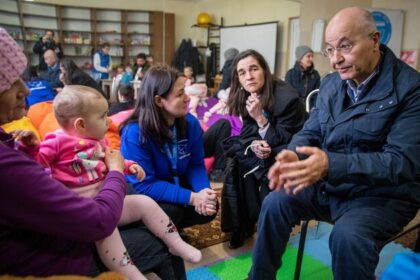
The top UN official advocating for children in armed conflict, Vanessa Frazier, stated that “children in Ukraine continue to bear the heaviest burden of this war,” now in its fifth year. Concluding a five-day mission to Ukraine aimed at strengthening the protection of war-affected children, Special Representative Frazier warned against continued attacks that kill and injure children, noting that “their most fundamental rights are being violated daily.” Beyond direct harm, attacks on civilian infrastructure have severely impacted schools, hospitals, and essential services like water and heating, affecting children’s well-being and development. Ms. Frazier shared that she had heard directly from children advocating for their right to education, their desire for peace, and their wish to experience childhood without fear. Through the “Prove it Matters” campaign, which empowers children to advocate for themselves, the UN provides a platform for Ukrainian children and others affected by conflict to have their voices heard by global decision-makers. As part of this initiative, children from approximately 1,800 schools in Ukraine have created over 6,500 origami doves with messages of peace.