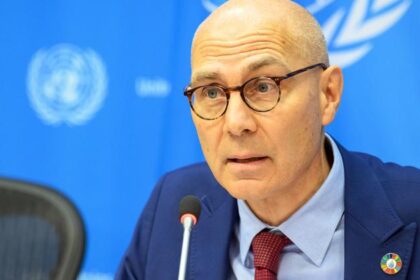



UN High Commissioner for Human Rights Volker Türk on Wednesday cautioned that the tournament, set to begin Thursday in the United States, Canada, and Mexico, could be overshadowed if such issues are not addressed.
“Major sporting events should be occasions where the world comes together in unity and peace,” Türk stated.
Tournament Must Be “Dignified and Safe”
Türk added, “The tradition [in ancient Greece] was that it should also result in a ceasefire of sorts. It is clear that the World Cup must provide a dignified and safe environment for the competing teams, the supporters, the entire community, and indeed the world.”
Reported incidents related to entry into the U.S. include the Iranian national team relocating its camp from Arizona to Mexico following visa denials for some Iranian officials.
A FIFA-accredited Somali referee was reportedly denied entry and turned back due to “vetting concerns,” and footage circulated showing a Senegalese player being searched by security personnel on a U.S. airport tarmac.
Fans have also been affected. Supporters from countries like Morocco and Scotland reported their travel documents being denied or canceled shortly before departure, despite making costly travel arrangements.
Broader Concerns
Türk noted that these examples highlight broader concerns about the implementation of immigration sanctions, calling for policies that respect human rights and dignity, especially during a global event intended to bring people together.
The High Commissioner emphasized that major sporting events should ensure a secure and inclusive environment for athletes, fans, and officials. Describing the World Cup as an opportunity to foster unity, Türk observed that the global nature of the competition places a responsibility on host nations to uphold international standards.
End Dehumanization
The concerns come amid a broader scrutiny of human rights issues connected to major sporting events and the responsibilities of host nations.
“I also hope for an end to the dehumanization of migrants, refugees, and asylum seekers as the ‘other’,” Türk said.
“Nobody benefits from divisive and polarizing narratives.”