

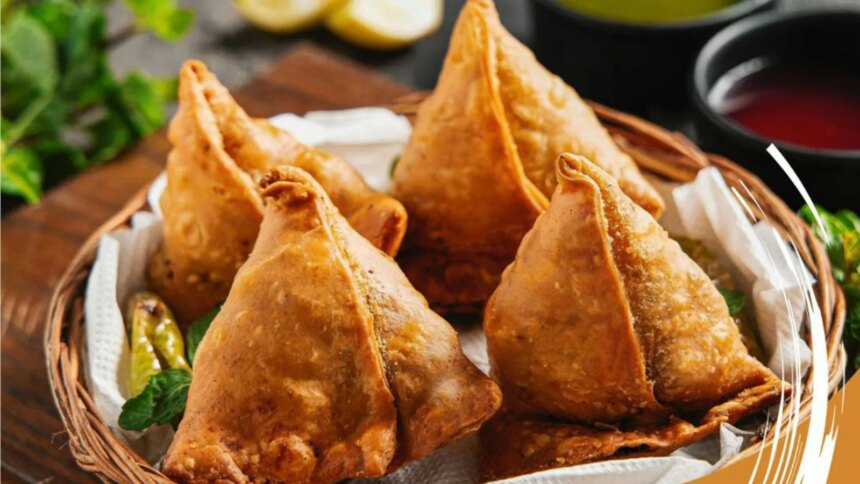
Samosas, a beloved Indian snack, are celebrated for their crisp exterior and rich, flavorful filling. While homemade versions offer comfort, achieving the perfect flaky and crunchy texture that remains crisp for hours, like those from local sweet shops, often puzzles home cooks. The key lies in mastering a few fundamental techniques, from preparing the dough to executing the frying process correctly. Crafting halwai-style samosas at home requires no special equipment, but it demands patience and meticulous attention to detail. To ensure your samosas boast a golden appearance, authentic taste, and that signature crispness, follow these straightforward tips for consistently perfect results.
6 Essential Tips for Homemade Halwai-Style Samosas
1. Achieve the Right Dough Consistency
It is crucial to prepare a firm, rather than soft, dough. A stiff dough is fundamental to creating the desired flaky texture that ensures samosas are crispy. Incorporating a small amount of oil or ghee during the kneading process enhances the crust’s quality and prevents it from becoming chewy.
2. Allow Adequate Dough Resting Time
After kneading, allow the dough to rest for a minimum of 30 minutes. This resting period enables the flour to absorb moisture uniformly, making the dough easier to roll. It also plays a vital role in preventing cracks and significantly improving the final texture of the samosa’s outer layer.
3. Keep Prepared Samosas Covered
Once the samosas are shaped, it is essential to cover them with a damp cloth. Exposure to air can dry out the dough’s surface, negatively impacting the final texture and hindering the samosa’s ability to achieve perfect crispness during frying.
4. Prepare a Dry and Flavorful Filling
The potato filling must be prepared without excess moisture. A filling with too much water can lead to soggy samosas and quickly soften the outer crust. Ensure the filling is well-cooked and the spices are balanced for optimal flavor and ease of stuffing.
5. Seal the Edges Securely
Proper sealing is paramount to prevent the filling from escaping during the frying process. Use a light flour paste or water along the edges and press firmly to ensure a tight seal. Well-sealed samosas maintain their shape and cook evenly without opening up in hot oil.
6. Fry on Low Heat for Maximum Crispness
A significant secret employed by halwai (sweet shop chefs) is slow frying. Place the shaped samosas into moderately warm oil and maintain a low heat throughout the cooking process until they achieve a golden-brown color. Slow frying allows the crust to become uniformly crisp, developing its characteristic flaky layers.
An Additional Secret for Superior Results
Crucially, avoid frying samosas in excessively hot oil. High temperatures can cause the outer layer to brown too rapidly, leaving the interior undercooked. Patience is the ultimate key to achieving the perfect texture and color characteristic of traditional halwai-style samosas.
By adhering to these guidelines—using the right dough, preparing a moisture-free filling, ensuring proper sealing, and employing slow frying techniques—you can confidently recreate authentic halwai-style samosas in your own kitchen. These simple yet effective tips will guide you in achieving a delightfully crispy, golden, and delicious snack reminiscent of those from your favorite sweet shop.