

The 13th session of the World Urban Forum (WUF13) has commenced in Baku, addressing the urgent global housing crisis amidst deepening urban inequalities, rapid urbanization, and the climate crisis. The forum, organized by UN-Habitat in partnership with the Government of Azerbaijan, has attracted a record number of participants.
UN-Habitat officials highlight the forum as a significant step in elevating housing and urbanization issues to the highest political levels. UN Secretary-General António Guterres emphasized that housing is a fundamental human right, crucial for health, education, and future opportunities, and stressed the need to make affordable housing a “shared reality.” He cautioned that the housing crisis is no longer limited to low-income countries, affecting societies globally, from developing cities to advanced economies with high rents and rising homelessness.
Housing Challenges and Solutions Explored
Annalena Baerbock, President of the UN General Assembly, noted in a video message that while building more houses is essential, it is not a complete solution. She advocated for a comprehensive approach integrating housing with infrastructure, climate resilience, financing, and urban planning, underscoring the necessity of community and resident participation in sustainable urban development.
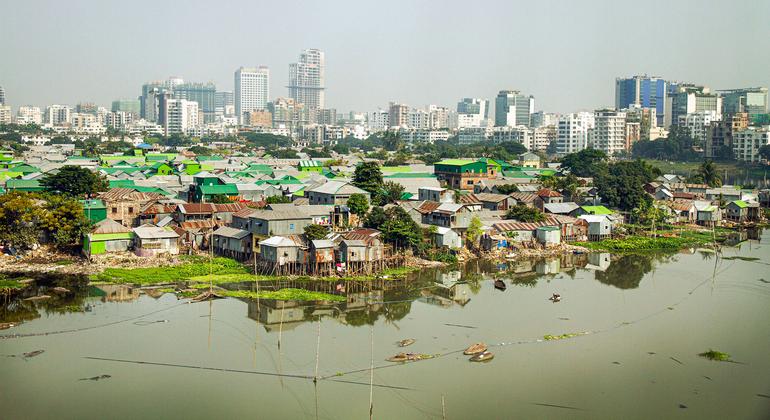
The forum addresses the immense pressure on cities, with UN estimates indicating that around 1.5 million people migrate to urban areas weekly. By 2050, over two-thirds of the global population will reside in cities, with significant growth anticipated in Africa and Asia. Concurrently, informal settlements continue to expand, with over 30 percent of urban residents in developing countries living in slums lacking adequate infrastructure.
Participants are collaborating to find solutions for access to basic services, climate resilience, and improved urban governance. Azerbaijan and Somalia are co-chairing the UN-Habitat Intergovernmental Working Group on the ‘Adequate Housing for All’ resolution for the 2025-2026 term, aiming to coordinate global efforts and develop recommendations for safe, sustainable, and affordable housing.
Azerbaijan’s President Ilham Aliyev welcomed attendees, describing the country as a bridge between East and West and reiterating Azerbaijan’s commitment to urban planning and enhancing citizens’ quality of life.
Record Turnout Amidst Extreme Weather
Anacláudia Rossbach, Executive Director of UN-Habitat, described the forum’s turnout as unprecedented, bringing together a vast and diverse global audience. Despite recent intense rainfall and thunderstorms in Azerbaijan, participants convened with resilience and a shared purpose.
The severe weather on May 17th resulted in record rainfall in Baku, causing a relocation of the World Leaders Summit and other events from the Olympic Stadium to the Baku Congress Center, and delaying the opening of the Urban Expo. The expo, the largest in WUF history, spans 3.5 hectares and features over 217 organizations from 66 countries, showcasing projects focused on affordable housing, digital technologies, climate resilience, and inclusive urban development.
Thematic Spirals at the UN-Habitat Pavilion
The UN-Habitat pavilion at the Expo, themed “Housing the World,” uses a spiral concept to symbolize the interconnectedness of people, nature, and cities. Katerina Bezgachina, UN-Habitat Chief of Communications, explained that the design reflects the multifaceted meaning of “home,” extending to the planet and the universe.
The pavilion guides visitors through interconnected spirals, each dedicated to a different theme, including the global housing crisis and its potential solutions. One section traces the evolution of housing policy from the 1948 Universal Declaration of Human Rights to the establishment of UN-Habitat following the 1976 Habitat conference. The pavilion’s design also incorporates elements of Baku’s modern skyline. The UN-Habitat Arena within the pavilion will host 17 thematic sessions from May 19th to 22nd.