

Unlike oil and gas, which expose countries to price spikes and geopolitical risk, renewable energy sources offer stable, domestically produced power. This can significantly strengthen energy security, reduce greenhouse gas emissions, and support long-term economic growth.
In the second part of our series on how renewables are shaping the future of energy security, UN News examines four countries actively working to increase their reliance on greener energy alternatives.
Why it matters:
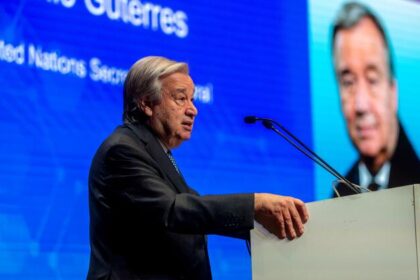
UN Secretary-General António Guterres stated in March, “The fastest path to energy security, economic security, and national security is clear: speed up a just transition away from fossil fuels and toward renewable energy.”
Germany: Accelerating the Energy Transition
The big picture:
Germany, home to one of the world’s largest economies, is experiencing constant growth in renewable energy as part of its long-term strategy to move away from fossil fuels. Renewables are crucial in reducing dependence on imported fuels, shielding consumers from global price fluctuations, and combating climate change.
Energy mix:
- Renewables constitute 55 percent of electricity consumption.
- Wind power, followed by solar, dominates the energy mix.
- Biomass and hydropower also contribute to the energy supply.
- Fossil fuels remain in use for industrial and transport sectors.
Key challenge:
The significant reliance on wind power leads to sometimes inconsistent energy generation. Ensuring industrial energy demands are met and maintaining grid stability present major hurdles. Additionally, fossil fuel backup is still necessary during the ongoing transition to renewables.
Progress toward full transition:
- Expansion of offshore wind and solar capacity.
- Grid modernization and expansion, alongside investments in storage facilities, are identified as critical for the transition.
India: Scaling Renewables for Development
The big picture:
India, with its rapidly growing economy and status as the world’s most populous nation, still depends on coal for electricity generation, though solar and wind energy are expanding swiftly. Renewables are vital for reducing expensive fuel imports and stabilizing energy supplies in its dynamic economy.
Energy mix:
- Renewables account for approximately 30 percent of installed capacity.
- Solar energy is experiencing rapid growth.
- Coal continues to be the dominant energy source.
Key challenge:
Meeting the escalating energy demand driven by economic expansion while decreasing coal dependency is a significant challenge. Concerns about the affordability of renewables and ensuring reliable power across the vast country add to this complexity.
Progress toward full transition:
- Development of large solar parks and expansion of rooftop solar installations.
- Integration of wind and hybrid energy systems.
- Initiatives focused on green hydrogen.
Solar-powered livelihood programs are enhancing incomes and energy access in rural communities.
Bolivia: Shifting from Gas to Renewables
The big picture:
Bolivia is actively working to diversify its energy system, which is currently dominated by natural gas. Hydropower is central to the South American nation’s long-term energy stability and economic resilience.
Energy mix:
- Renewables contribute around 30–35 percent of electricity generation.
- Hydropower is the primary renewable energy source.
- Solar and wind power are expanding.
- Natural gas remains the dominant energy source.
Key challenge:
Bolivia’s continued reliance on gas revenues and existing extraction infrastructure poses a challenge. Significant structural dependence and the need to secure substantial financing for large-scale renewable deployment complicate a rapid shift away from fossil fuels.
Progress toward full transition:
- Expansion of solar energy in rural and high-altitude regions.
- Development of wind farms.
- A national roadmap targeting substantial renewable energy growth.
Solar-powered irrigation systems are improving agricultural productivity in Bolivian rural communities.
Nigeria: Unlocking Solar Potential
The big picture:
Nigeria, Africa’s largest economy and most populous country, faces development challenges, with over 60 percent of its 241 million people living in poverty. Despite significant renewable potential, the nation remains heavily dependent on fossil fuels. Frequent power shortages and reliance on diesel generators underscore the urgent need for a more resilient, renewable-based energy system.
Energy mix:
- Renewables account for approximately 20–25 percent of electricity generation.
- Hydropower provides the majority of renewable energy.
- Solar power is growing but remains underdeveloped.
- Natural gas dominates electricity generation.
Key challenge:
Nigeria aims to generate 50 percent of its electricity from renewables by 2030. Achieving this goal requires substantial infrastructure development, particularly a more reliable grid, increased investment, and reducing industry’s reliance on gas-fired power plants.
Progress toward full transition:
- Expansion of off-grid solar solutions and mini-grids.
- Implementation of national electrification programs.
- Increasing investment in domestic solar systems.
UN-backed solar mini-grid programs in Nigeria are supplying electricity to rural communities, supporting businesses, and improving living standards.
The bottom line:
Across diverse economies—from industrialized Germany to emerging powers like India and developing nations such as Bolivia and Nigeria—a clear trend is evident:
- Renewables are strengthening energy security.
- They are reducing dependence on volatile fossil fuel markets.
- They are delivering tangible benefits to people and economies.
However, challenges persist, including financing, infrastructure development, and balancing reliability with rapid expansion.