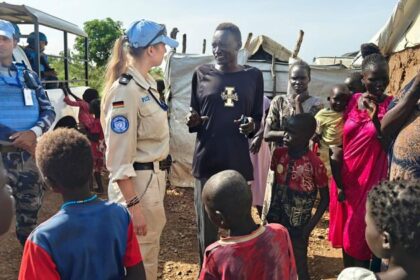


Violent conflicts in the Middle East and Gulf region have seen a significant reduction in intensity over the past three months, following an agreement between the United States and Iran. UNIFIL, the United Nations peacekeeping force in southern Lebanon, reported a decrease in violations between Israeli forces and Hezbollah militia in March, after a period of escalation.
A UN spokesperson stated on Monday that Israeli incursions into Lebanese airspace dropped to 38 from 83 the previous day. Similarly, the number of projections decreased to 174 from 705. Of these projections, 169 were attributed to Israeli forces and five to Hezbollah. UNIFIL continues to monitor ground activities, including armored movements and logistical operations within Israel’s area of operation.
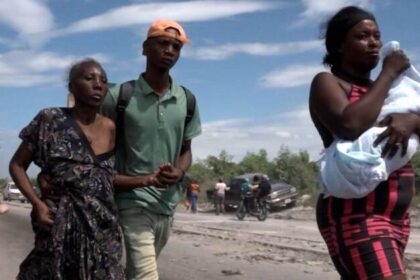
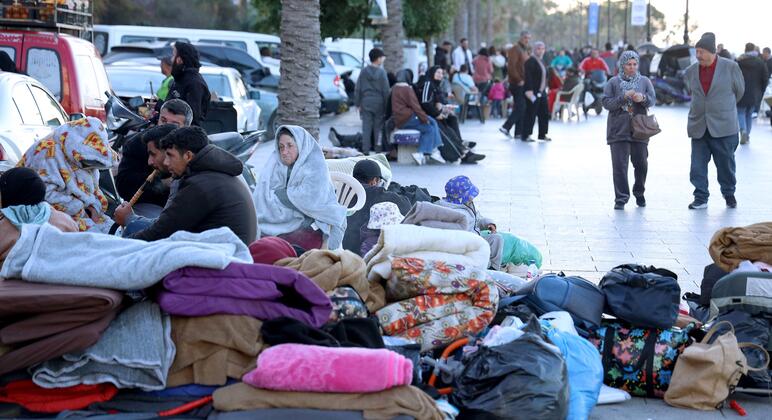
In response to these developments, some displaced families have cautiously begun returning to their communities following the announcement of the US-Iran agreement. According to Lebanese authorities, the number of displaced individuals in collective shelters has fallen to 124,000 from approximately 134,000 as of Friday. On Monday, approximately 2,700 people reportedly departed from collective shelters. It remains uncertain whether these returns are temporary or represent a more long-term resettlement as homes and properties are assessed. Despite the reduced violence, ongoing incidents in southern Lebanon directly affect people’s ability to check on or move around their homes. The presence of unexploded ordnance also remains a significant concern. The UN has reiterated its call for the protection of civilians and for returns to be safe, voluntary, informed, and supported by sustainable humanitarian access and assistance for those in need.
Gaza Faces Service Disruptions Amidst Fuel Shortage
As humanitarian organizations in the Gaza Strip continue to respond to immediate and emerging needs, the UN Office for the Coordination of Humanitarian Affairs (OCHA) has warned that a scarcity of fuel, engine oil, and spare parts is severely limiting essential services. The reduced supply is impacting water production, distribution, wastewater treatment, and solid waste management. Prioritized fuel allocations have allowed for the continuation of limited operations. Aid partners are intensifying efforts to combat an increase in harmful insect infestations. The UN Development Programme (UNDP) is leading pesticide application efforts, while UNICEF and UNRWA are supporting public awareness campaigns and community safety measures. Approximately 420,000 people received food assistance in the first two weeks of June, meeting around 75% of minimum daily caloric needs.
Meanwhile, livelihood support initiatives are also ongoing. Over 2,200 shepherds received livestock feed at the beginning of June, and more than 1,000 farmers have received conditional cash assistance since late March to help restart crop production across Gaza. Despite ongoing support, humanitarian partners emphasize the immense scale of needs and are calling for increased funding to ensure sustainable access, adequate fuel supplies, and enhanced life-saving aid.
Rising Debt Costs Squeeze Development Funds: New UN Report
A new report released Tuesday by the UN Conference on Trade and Development (UNCTAD) reveals that rising borrowing costs are leaving many developing countries with less money to invest in schools, healthcare, infrastructure, and climate action. The report indicates that increased interest payments have reduced the fiscal space for development in 99 developing countries, home to 5.5 billion people, between 2018 and 2024. It highlights how escalating external borrowing costs, shorter repayment periods, and persistent risk premiums are intensifying pressure on public finances.
Key findings from the report include:
- Developing countries received significantly less external financing in 2024 compared to developed nations. External resources accounted for 11% of investment financing in developing economies, versus 38% in developed economies.
- External financing flows to developing countries decreased by 18% between 2014 and 2024, while domestic financing increased by 60%.
- Africa received only 10% of the total external financing flows to developing countries, despite representing 22% of the developing world’s population. Asia and the Pacific attracted over 70% of external financing flows.
As developing countries continue to pay significantly more for external financing than developed economies, UNCTAD calls for national reforms and stronger international action to reduce financing costs and expand the scale and accessibility of affordable, long-term finance.