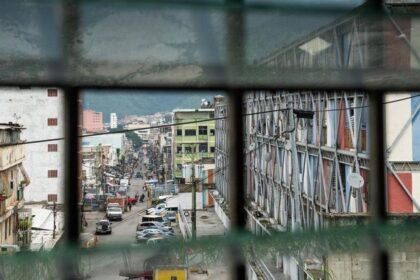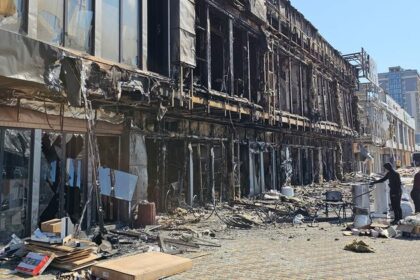


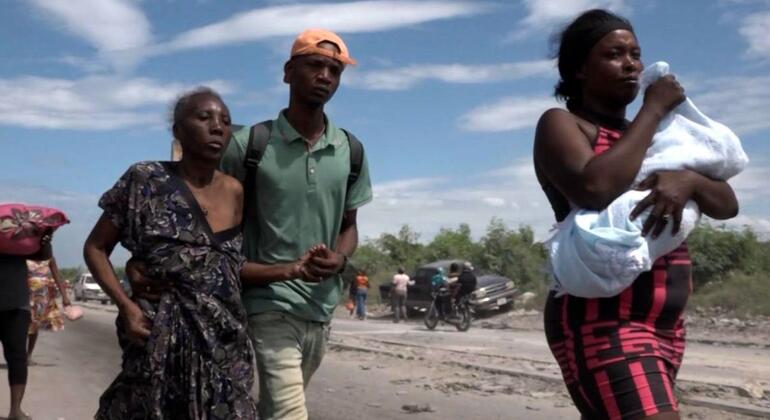
Haiti’s humanitarian crisis is expanding beyond traditional security hubs, impacting families in both urban and rural areas. Displaced by attacks, individuals are forced to relocate repeatedly with diminishing options for safety.
Gregoire Goodstein, Chief of Mission for the International Organization for Migration (IOM) in Haiti, stated, “Haiti’s displacement crisis is entering an even more alarming phase.” In May, renewed gang violence in Cité Soleil, the capital’s largest slum, displaced over 18,000 people within days. This surge pushed the number of internally displaced persons in Port-au-Prince above 300,000 for the first time on record.
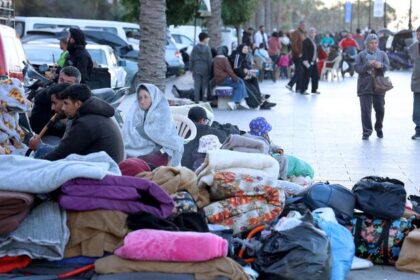
Goodstein recounted the harrowing journey of a woman fleeing Port-au-Prince after gang attacks: “To reach safety, her family swam through the sea up to their necks, then crawled through muddy, waste-filled fields to avoid being seen by gangs.” Many fleeing escalating violence are seeking refuge in overcrowded temporary shelters or with host families struggling to meet their own needs.
Safe Havens Under Pressure
The spread of insecurity is increasingly blurring the lines between conflict zones and areas of refuge. Just weeks before the violence in Cité Soleil, armed attacks in Haiti’s South-East Department displaced over 5,000 people. This region was previously considered a safer haven for those fleeing unrest elsewhere in the country.
Humanitarian organizations are observing a concerning trend where communities that once hosted displaced families are themselves becoming points of displacement. Simultaneously, forced returns are exacerbating the crisis. Since the beginning of 2026, over 110,000 Haitians, including women, children, and other vulnerable groups, have been sent back to the country. Many are returning to already insecure areas with limited resources and support, or settling in places unable to absorb additional population pressure. Among returnees are vulnerable groups such as unaccompanied children, pregnant, and postpartum women, who face challenging and unsafe conditions upon arrival.
Essential Services Fall Short
Humanitarian needs continue to rise in displacement sites and host communities. Displaced families report significant shortages in shelter, food, clean water, and healthcare. Access to psychosocial support remains limited despite widespread trauma linked to repeated displacement and exposure to violence. Overcrowded living conditions and deteriorating access to services also heighten protection concerns, including increased risks of exploitation and abuse. Humanitarian actors warn that conditions could worsen with the onset of the Atlantic hurricane season. Flooding and severe weather pose an additional threat to thousands of displaced individuals living in precarious and overcrowded shelters with limited protection against storms.
Solutions Need Support
Despite the lack of security and challenging operational conditions, IOM and humanitarian partners continue to provide emergency assistance in Haiti’s most affected areas. Current efforts include emergency shelter, healthcare, water and sanitation services, psychosocial support, relief supplies, and shelter site management assistance. Aid organizations emphasize that humanitarian aid alone will not suffice. Haitian communities require support that extends beyond immediate relief, including improved security, access to essential services, legal identity documents, and paid employment opportunities.