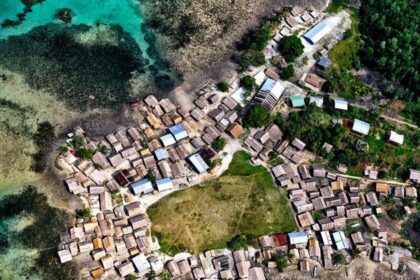


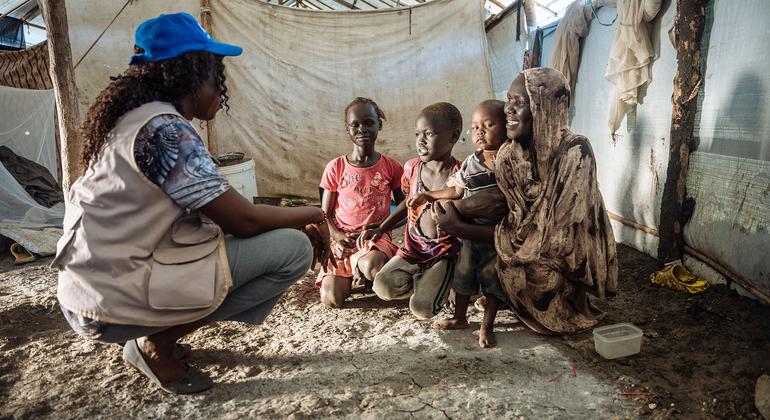
The International Organization for Migration (IOM) has issued a stark warning regarding the escalating humanitarian crisis in South Sudan, where significant funding shortages are jeopardizing the lives of nearly two million displaced individuals. The nation, the world’s youngest, continues to face one of the most severe displacement crises globally, with approximately 10 million people requiring urgent humanitarian assistance. This figure includes a substantial number of returnees fleeing the ongoing conflict in neighboring Sudan.
IOM requires just over $131 million for its operations in South Sudan this year but is currently confronting a substantial funding gap of $29 million, a shortfall that threatens to derail critical life-saving efforts.
An Extraordinary Burden on South Sudan
The UN agency and its partners are actively supporting South Sudanese authorities in piloting government-led solutions aligned with the UN Secretary-General’s Action Agenda on Internal Displacement. This agenda aims to ensure effective protection and assistance for those who have been uprooted from their homes and to prevent the emergence of new displacement crises.
“South Sudan is carrying an extraordinary burden, and funding shortfalls risk undermining progress toward durable solutions for millions,” stated Ugochi Daniels, IOM Deputy Director General for Operations, during her visit to the country. She highlighted the immense strain on displaced families and host communities striving to rebuild their lives. “Without sustained support and progress toward peace, these communities could face renewed instability and displacement,” she added.
Conflict Fuels Displacement Within and Beyond Borders
Years of conflict, severe flooding, and persistent instability have resulted in millions of people remaining displaced within South Sudan and across international borders. Major cuts in aid funding are severely constraining the delivery of essential assistance and impeding progress toward long-term recovery efforts.
Adding to the complexity, South Sudan is grappling with a new influx of people fleeing the war that erupted in April 2023 between rival militaries in Sudan. Since the conflict began, over 1.3 million people have crossed the border into South Sudan, with a significant majority, 67 percent, being South Sudanese returnees. This surge is placing immense pressure on border communities, already overstretched services, and fragile infrastructure.
Urgent Need for Support to Ease the Burden
The northern town of Renk serves as a primary entry point for individuals escaping war-ravaged Sudan, where humanitarian needs are particularly acute. “Emergency assistance, health screening, protection support, and onward transportation remain critical to stabilizing new arrivals and easing the burden on host communities already facing limited resources,” the IOM emphasized.
Ms. Daniels also visited Bentiu, a city where families are returning and working to rebuild after years of displacement and devastating floods. “Dikes, drainage, and water pumping make this possible, but lasting recovery depends on security and continued investment in basic services and livelihoods,” she noted in a tweet. The IOM stressed the necessity of strong coordination, leadership, close partnership with South Sudanese authorities, reliable humanitarian access, and security for aid workers to effectively address the multifaceted crisis.