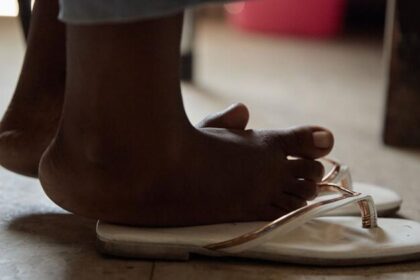


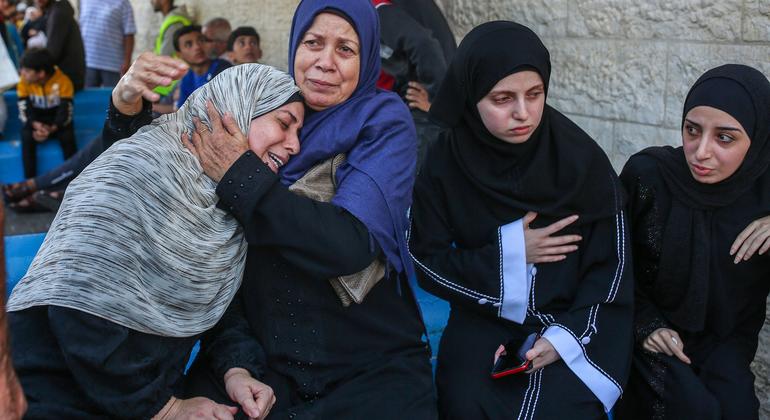
A survivor from Gaza recounted a harrowing experience: “We were sitting on the sixth floor when they struck the seventh – my uncle’s apartment. My uncle’s wife was screaming, ‘My children! My children are gone!’ As I rushed to help her, they fired the second shell. That’s when my mother and my siblings were killed.” Mona, who survived the attack that destroyed her family home and left her with life-changing injuries, including an amputated leg, shared this account. Her story highlights a grim reality for millions of women and girls affected by contemporary conflicts.
As the UN observes Protection of Civilians Week, the world is witnessing the highest number of active conflicts since 1946. These wars are increasingly protracted, more violent, and are being fought in populated areas, leading to the destruction of homes, schools, hospitals, and shelters, with civilians bearing the brunt of the violence.
Women Bear Disproportionate Burden in Conflict
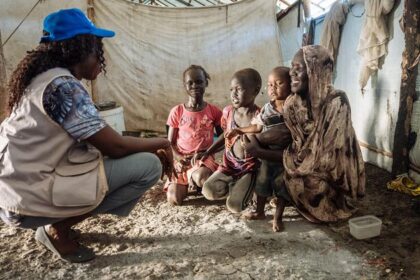
While hostilities affect everyone, the consequences of war often fall more heavily on women and girls. The UN reported that in 2025, nearly one in five of the 37,000 civilians killed across 20 armed conflicts were women. Women and girls are more susceptible to displacement, educational and employment disruptions, limited healthcare access, and increased exposure to sexual violence, hunger, and extreme poverty. Amidst community collapse, they often shoulder the responsibility of caring for children, the elderly, and the injured, while striving to survive themselves.
In Gaza, by December 2025, 38,000 women and girls had been killed, with over 95 percent of recorded infrastructure damage attributed to attacks on residential buildings, even as ceasefire negotiations progressed.
Surge in Conflict-Related Sexual Violence
The UN verified over 9,300 cases of conflict-related sexual violence in 2025, more than double the previous year’s figure. Officials caution that the actual number is likely significantly higher, as many survivors do not report the abuse. Women and girls constitute over 95 percent of these reported cases. In Sudan, a nation in its fourth year of war, the number of women and girls requiring support for gender-based violence has nearly doubled in two years and quadrupled since the conflict began. Attacks are occurring in homes and during desperate searches for essential resources like food, water, and medical care.
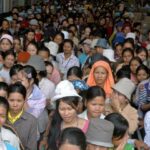
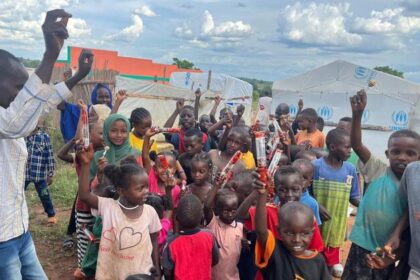
Conflict is also a major driver of displacement. By the end of 2024, over 123 million people worldwide had been forcibly displaced due to war, violence, and persecution. Women and girls fleeing conflict often face overcrowded shelters, separation from family, exploitation, and repeated displacement.
Collapsing Healthcare Systems Impact Women Severely
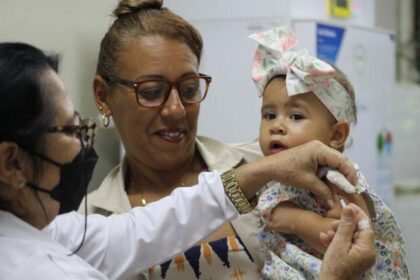
In Gaza, the UN reported that by December 2025, 94 percent of hospitals were damaged or destroyed, leaving pregnant women without adequate medical care and injured civilians struggling to access treatment. Approximately 700,000 women and girls were unable to manage menstruation properly due to shortages of sanitary supplies and unsafe living conditions. The psychological impact is also profound, with women in Afghanistan, Ukraine, Gaza, and Lebanon experiencing widespread depression, anxiety, and post-traumatic stress disorder, often with limited access to mental health services.
Exclusion from Peace Processes Hinders Progress
Despite bearing a significant burden of survival during wartime, women remain largely excluded from peace negotiations and political decision-making. Globally, women represent only seven percent of negotiators and 14 percent of mediators in formal peace processes. Nevertheless, women actively lead survival and recovery efforts in conflict zones, managing community kitchens, supporting displaced families, rebuilding livelihoods, and advocating for peace. The UN warns that without increased protection, funding, and inclusion for women and girls, modern warfare will continue to exacerbate inequalities and devastate struggling generations.