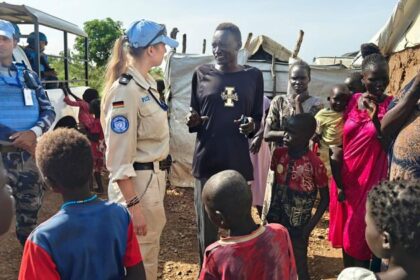


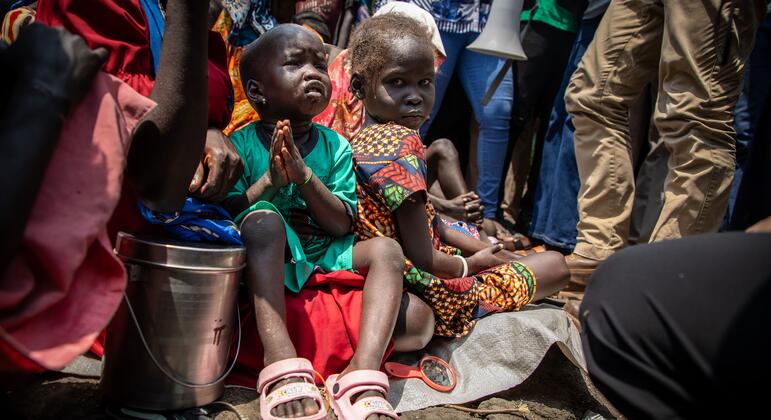
Intensified fighting between the national army and the Sudan People’s Liberation Movement militia, particularly in Jonglei’s Akobo County, is severely impacting civilians. Approximately 140,000 people have been displaced in this region alone, with over 300,000 uprooted across Jonglei and neighboring states since December. This adds to the nearly two million people already internally displaced. Concurrently, around 100,000 individuals have sought refuge in neighboring Ethiopia, though population movements remain dynamic with thousands returning to their homes recently.
Many returning families discover their homes destroyed or looted, forcing them into crowded, unfinished buildings or makeshift shelters constructed from sticks and plastic sheeting. Restricted humanitarian access in several areas prevents the most vulnerable from receiving critical aid, exacerbating the crisis. With South Sudan’s rainy season commencing, the nation, which has endured recurrent conflict, displacement, and climate shocks since its 2011 independence, is likely to face flooding, further compounding hardships.
Global Food Production Trends and Disparities
A new study by the UN Food and Agriculture Organization (FAO) reveals a significant increase in the global supply of animal-based food products over the past sixty years, primarily eggs, poultry, and pork. The report indicates that poultry meat experienced the most substantial growth, nearly five-fold, followed by eggs and pig meat, which nearly doubled. Beef products, in contrast, remained stable or declined in many regions. In 2022, global meat production reached 361 million tonnes, a sharp rise from approximately 71 million tonnes in 1961. Milk production increased from about 342 million tonnes to 930 million tonnes, while egg production grew from 15 million tonnes to 94 million tonnes during the same period.
Per capita supply of land animal products remains highest in North America. In Asia, despite being the leading producer, meat remains relatively scarce. Sub-Saharan Africa has seen largely stagnant per capita supply, with limited gains in specific countries for milk or poultry. Food loss and waste further worsen these disparities and pose a growing sustainability challenge, with an estimated one-third of all food produced globally not reaching consumers, including about 14 percent of animal food products. Inadequate cold chain infrastructure and poor temperature control are often linked to these losses.
Middle East Conflict’s Impact on Global Hunger
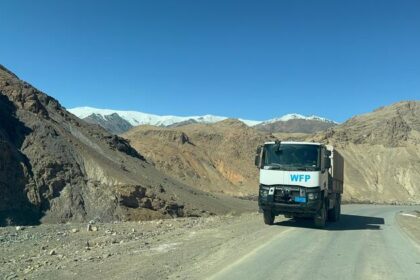
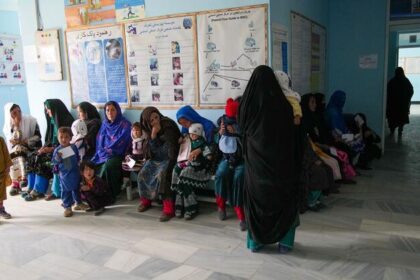
Three months after warning that the escalating Middle East crisis could drive millions more into hunger, a new analysis from the UN World Food Programme (WFP) indicates that the conflict’s repercussions are already having profound and lasting effects in some of the world’s most vulnerable nations. The WFP report, focusing on three countries with varying supply chain exposures, found that an additional 2.5 million people in Somalia, 1.3 million in Sri Lanka, and 2.3 million in Afghanistan are struggling to meet basic food needs, with some facing acute hunger.
“We warned that this crisis could push millions more people into hunger; now we are watching it happen in real time,” stated Jean-Martin Bauer, Director of WFP’s Food Security and Nutrition Analysis Service. These impacts are projected to intensify in the coming months, even if the Middle East crisis de-escalates. Farmers globally are facing severe fertilizer shortages and high fuel prices during planting seasons, which is expected to negatively impact crop yields and food prices.
The conflict has also created a triple challenge for the WFP, with rising needs, increased delivery costs, and shrinking funding leading to devastating consequences. WFP estimates it will assist 1.5 million fewer people than originally planned in 2026. However, the WFP warned that if the conflict persists, over 9 million people could lose access to assistance.