

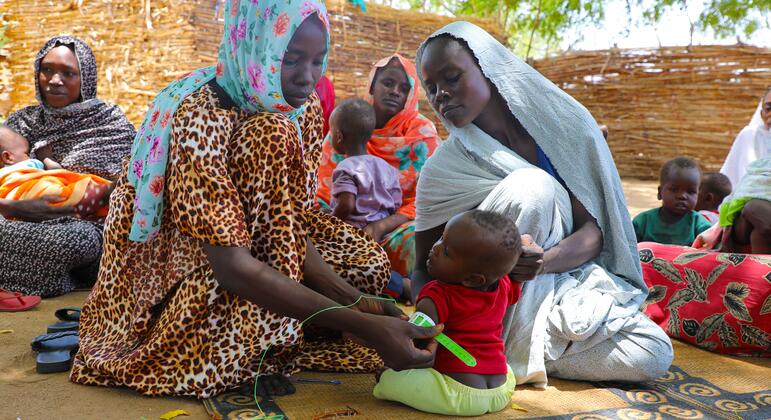
The eastern region of Chad is experiencing an overwhelming refugee crisis that is severely straining maternity care services. This situation arises as Chad grapples with a substantial influx of refugees and returnees escaping the civil war in neighboring Sudan, placing immense pressure on the country’s already overextended services.
Maternity Services Under Immense Strain
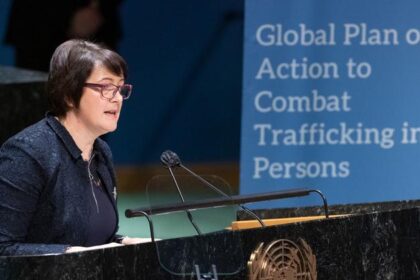
Andrew Saberton, Deputy Executive Director of the UNFPA, stated at UN Headquarters in New York that Chad is currently hosting over 1.3 million refugees and returnees, with women and children forming the majority. During his recent mission to eastern Chad, Saberton visited refugee camps and health facilities in Abéché, Adré, and Wadi Fira. He observed that clinics are struggling to meet the escalating demand.
In the Iridimi refugee camp, midwives reported managing up to 300 births monthly with severely limited equipment, scarce medicines, and almost no specialist support. Health workers also described instances where women had to undergo emergency cesarean sections without adequate pain relief. “No woman should have to endure that,” Saberton emphasized.
Escalating Risks for Women and Girls
The humanitarian challenges are further exacerbated by increasing protection risks for women and girls. Many are compelled to travel longer distances from camps to gather firewood, exposing them to potential harassment, assault, and gender-based violence.
Despite these difficulties, Saberton commended the local women’s centers supported by the UNFPA, which offer crucial psychosocial care, vocational training, and support for survivors of violence.
In the northern Wadi Fira province, authorities have reported over 333,000 refugees residing in approximately 81,000 households, with women and children constituting more than 75 percent of this population. Refugees continue to arrive from Sudan through various border entry points amidst persistent insecurity and violence.
Funding Shortfalls Threaten Humanitarian Response
Saberton issued a warning that recent funding cuts are jeopardizing life-saving services across Chad. The UNFPA’s operations in the country are facing a 44 percent reduction in funding this year, and only 2.5 percent of the agency’s 2026 humanitarian appeal for Chad has been secured to date.
“The Government of Chad has shown extraordinary solidarity by keeping its borders open and sharing its already scarce resources with people fleeing violence,” Saberton stated. “That solidarity must now be matched by international support.”