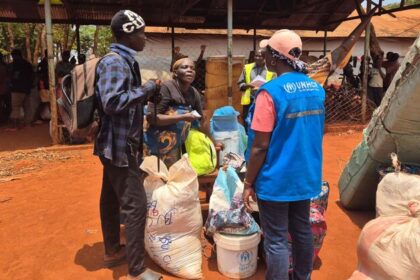


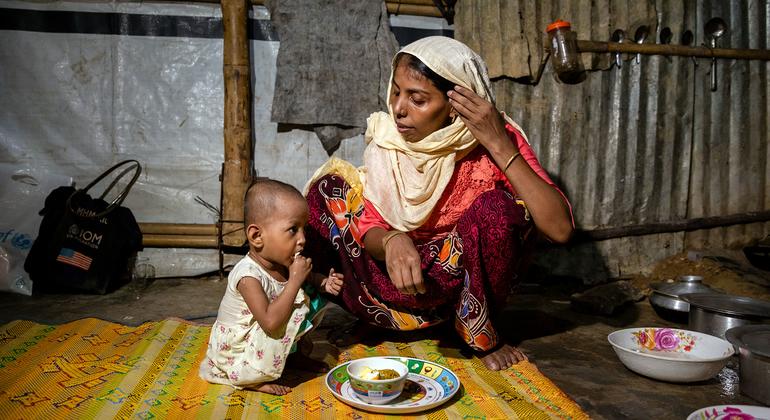
The United Nations High Commissioner for Refugees (UNHCR) has issued a stark warning that dwindling humanitarian and development funds are jeopardizing essential services for one of the world’s largest refugee populations. UNHCR spokesperson Babar Baloch stated in Geneva on Tuesday that the “generous support from Bangladesh and the international community has been critical in meeting their essential needs and providing protection.” The largest influx of Rohingya refugees occurred in August 2017, when approximately 750,000 individuals fled violence in Myanmar’s Rakhine State to seek refuge in Bangladesh. UNHCR reiterated that support from Bangladesh and donors has been vital for meeting basic needs and ensuring protection since that time.
Mounting Funding Pressures
The UN’s appeal comes amidst a backdrop of increasing global instability and a surge in worldwide humanitarian crises that are straining aid budgets. Last month, the United Nations and its partners, in conjunction with the Bangladesh Government, launched a funding appeal for $705 million for 2026 to address the most urgent needs of Rohingya refugees and host communities. Despite escalating needs, this appeal is 26% lower than last year’s funding request, reflecting a focus on what aid organizations describe as a “hyper-priority” response targeting the most critical needs. Humanitarian aid provided since 2017 has helped sustain food assistance, healthcare, education, and protection services. However, UNHCR cautioned that significant needs persist and conditions could deteriorate without sustained support. Rohingya refugees largely remain dependent on aid due to limited opportunities for income generation. Vulnerable groups, including women, girls, the elderly, and individuals with disabilities, are disproportionately affected by funding reductions. Challenges have also intensified for approximately 150,000 new arrivals fleeing renewed violence in Rakhine State since the beginning of 2024. Obstacles to humanitarian access and insufficient funding are leaving communities without access to food, clean water, and healthcare.
Diminishing Hopes for Return
UNHCR indicated that ongoing conflict, persecution, and insecurity within Myanmar continue to prevent refugees from returning safely. As hopes for return diminish, more Rohingya are resorting to perilous sea journeys to seek opportunities elsewhere in the region. According to the agency, 2025 has been the deadliest year on record for these crossings, with nearly 900 Rohingya refugees reported dead or missing in the Andaman Sea and Bay of Bengal. UNHCR emphasized that merely maintaining minimal humanitarian assistance could lead to more severe and costly consequences in the future. “Until conflict and violence cease, the international community must continue to stand in solidarity with refugees from Myanmar, Rohingya refugees, and host communities,” Baloch stated, reiterating calls for efforts and humanitarian support to ensure refugees’ voluntary, safe, and dignified return when conditions allow.