


Documenting food narratives across South India for the past decade has consistently highlighted a crucial point: South Indian cuisine is far from a monolithic entity. It encompasses a rich tapestry of flavors, from the intense spice of Rayalaseema and the creamy coconut notes of Kerala to the hearty meat dishes of Kongunadu, the intricate spice routes of Malabar, the coastal seafood traditions of Karnataka, and the comforting slow-cooked meals of Chettinad.
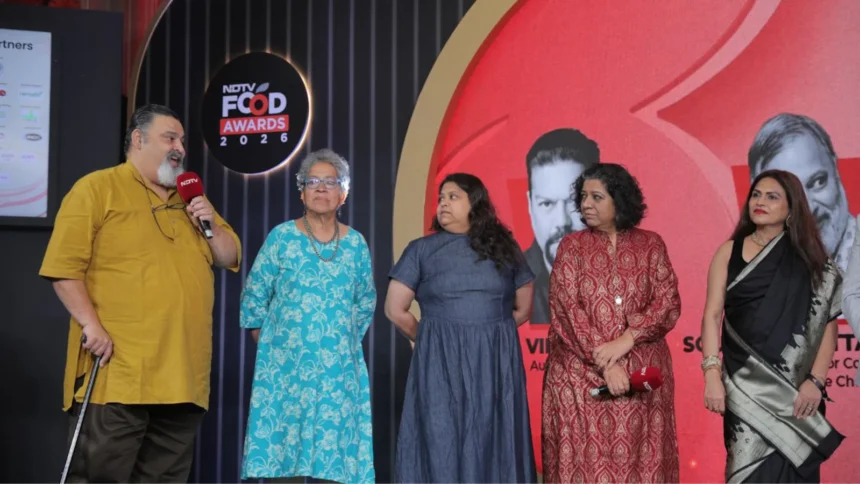
Despite this vast diversity, South Indian food is often perceived through a limited, nationalistic lens. My involvement with Culinary Culture and the NDTV Food Awards 2026 jury has underscored a persistent question: can a country as varied as India truly evaluate its restaurants using a single, uniform framework?
India presents not one, but many dining markets, each with distinct diner expectations. A patron in Mumbai approaches dining differently than someone in Chennai, and expectations in Delhi diverge from those in Kochi or Hyderabad. Each city’s food culture is a unique blend of history, economy, migration patterns, and local preferences.
In many Southern cities, food is a passion, but engagement with restaurant culture varies. While some markets favor novelty and destination dining, others prioritize consistency, familiarity, and emotional resonance. A restaurant that has served families for generations holds as much cultural significance as a new, chef-driven establishment.
Cities like Mumbai celebrate experimentation, Delhi embraces destination dining, and Bengaluru thrives on innovation. Chennai, however, leans towards consistency and authenticity, Kochi champions local sourcing, and Hyderabad balances tradition with scale. These differences enrich India’s culinary landscape rather than limiting it.
While restaurants with robust marketing may gain more visibility, their ability to tell their story should not be conflated with the inherent value of that story. National recognition often relies on metrics such as chef prominence, media coverage, social media presence, design, and PR efforts. While these are relevant, they are not universally applicable. Many Southern cities are not traditionally chef-centric; their restaurants often thrive on founder vision, family heritage, and community trust.
Restaurants in different cities operate distinctively, building reputations through word-of-mouth and loyal customers, rather than extensive media campaigns or PR teams. They may not optimize for social media trends or chase awards, focusing instead on consistent quality. Yet, their local impact can be profound.
A Madurai restaurant might influence generations of diners without national recognition, a Kerala seafood institution could define regional identity without a celebrity chef, and a Chennai neighborhood eatery might become a city staple through decades of excelling at a single offering. This disparity in market operation is frequently overlooked.
Consider Chennai, which boasts a significant Korean and Japanese expatriate community, fostering a vibrant scene of authentic East Asian restaurants run by expatriates for a discerning audience. Yet, nationally, Chennai is often narrowly defined by idli, dosa, and biryani, overlooking its broader culinary narrative.
Food cultures are dynamic, living systems influenced by migration, economics, technology, and community. Their ability to integrate new influences while preserving tradition is key to their vibrancy. The challenge lies in defining cities by a few signature dishes rather than acknowledging the complexity of their evolving food identities.
The core issue is one of perspective: are we assessing restaurants within their operational contexts, or are we applying a uniform, often metro-centric, standard? This is not a dismissal of innovation or chef-led ventures, nor a plea for tokenism. Excellence remains the benchmark, but it manifests in diverse ways. A restaurant maintaining culinary traditions with integrity deserves recognition alongside one pushing experimental boundaries. Authenticity and innovation, legacy and modernity, are not mutually exclusive.
National awards and platforms significantly shape public perception, influencing travel, dining choices, and narrative dissemination. As India’s dining scene evolves, our frameworks for recognizing excellence must adapt accordingly. The critical question is not about awarding one region over another, but whether we are recognizing the best of India’s restaurants or merely those that fit our preconceived notions of culinary excellence.