

A new report by the UN Economic and Social Commission for Asia and the Pacific (ESCAP) reveals a concerning trend: the region is falling significantly behind on its sustainable development targets. The ‘Asia and the Pacific SDG Progress Report 2026’ indicates that at the current pace, 88% of the measurable targets across the 17 global goals will be missed by 2030.
These goals, adopted by world leaders in 2015, aim to address critical issues such as extreme poverty, hunger, access to clean water, and quality education.
A ‘Stark Contradiction’ in Progress
ESCAP describes the situation as a “stark contradiction.” While the Asia-Pacific region has achieved notable successes in poverty reduction, expanding electricity access, and lowering maternal and child mortality rates, these advancements are being overshadowed by environmental degradation and increasing inequality.
Armida Salsiah Alisjahbana, Executive Secretary of ESCAP, stated, “The very engines of growth that once lifted millions out of poverty and fuelled rapid industrialization are now undermining our future.” She emphasized the challenge and opportunity to build a region that is not only wealthier but also smarter, healthier, and more just.
Regional Progress and Regression
The report highlights key areas where the region is on track or close to achieving its goals, including access to electricity, mobile network coverage, and reductions in maternal and child mortality.
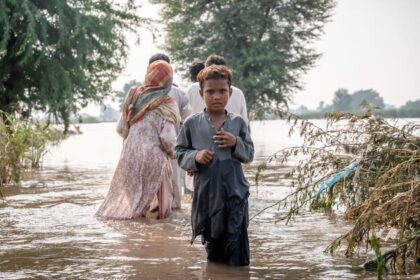
However, significant regression is observed in critical areas such as greenhouse gas emissions, biodiversity loss, fossil fuel subsidies, labor rights, and disaster-related losses. Concerns also exist regarding data gaps in gender equality and peace, justice, and institutions.
Environmental Backsliding and Social Strain
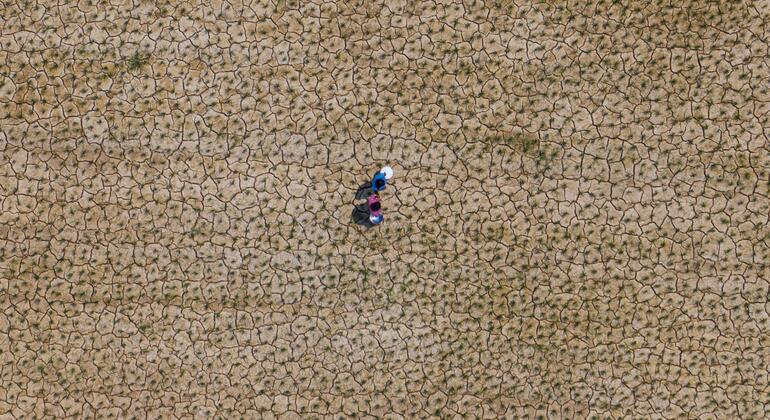
Environmental progress is not just stalling but actively deteriorating in crucial sectors like climate action, marine conservation, and biodiversity. Greenhouse gas emissions continue to rise, and species extinction risk is accelerating. Marine ecosystems are in decline, and freshwater ecosystems are under threat.
Despite advancements in areas like industry, innovation, and infrastructure, supported by widespread mobile network coverage and expanding electricity access, social progress faces strain. While income poverty has fallen significantly, inequality remains a persistent issue, with slow progress in income distribution and declining labor income shares. Education access has improved, but learning outcomes are slipping.
Persistent Data Gaps
Although data availability for SDG indicators has improved, placing the region above the global average, critical gaps persist, particularly concerning gender equality and strong institutions. These shortfalls hinder policymakers’ ability to effectively measure progress and reach the most vulnerable populations.
Urgency for Action
With only five years left until the 2030 deadline, ESCAP stresses that incremental changes are insufficient. The report concludes, “Our current development trajectory is unsustainable, and the window for corrective action is closing rapidly.”