

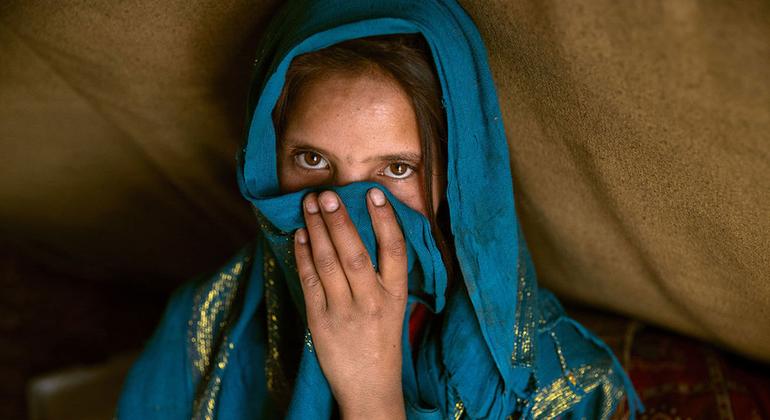
Independent UN human rights experts expressed grave concern on Thursday regarding the detention of dozens of women in Afghanistan for allegedly violating stringent dress codes. These regulations reportedly include requirements such as wearing a burqa or chadar with a face covering and prohibiting the use of perfume.
The detentions occur amid an escalating struggle for women’s human rights, following the de facto authorities’ assumption of control on August 15, 2021, and their subsequent increase in restrictions on women’s access to education, employment, and other fundamental rights.
“While most women have been released, these detentions have instilled fear and anxiety among women and girls across Afghanistan,” warned UN Women. The arbitrary arrest and detention of women can have profound and lasting effects on their families and communities.
Georgette Gagnon, the UN Human Rights Due Process Envoy and head of the UN Assistance Mission in Afghanistan (UNAMA), stated, “The detention of a woman in Afghanistan carries a significant stigma, even after release, potentially exposing women to greater risks of violence and isolation within their families and communities.”
Use of Force During Protests
Adding to these concerns, human rights experts appointed by the UN Human Rights Council voiced deep worry over reports of “excessive use of force” against women detained on June 9 in Herat and against demonstrators protesting the restrictive measures. According to independent experts, Taliban security forces opened fire on protesters, including women, men, and children, beating some of them. The incident resulted in the deaths of at least two individuals, including a child, and left more than 20 people injured.
While acknowledging reports of some protesters throwing stones, the experts noted that such actions alone would not meet the strict threshold for the use of lethal force. The experts emphasized, “The Taliban, as the de facto authority in Afghanistan, is bound to abide by the international human rights treaties to which Afghanistan is a party.”
Right to Freedom
“The rights to equality, peaceful assembly, freedom of expression and movement, and protection from arbitrary detention are fundamental rights to re-establish public confidence and prevent further deterioration of the situation,” the experts added. They stressed that tensions must be immediately de-escalated to prevent further violence or harm.
The experts, who are not UN staff and do not receive salaries for their work, urged the Taliban to immediately release those detained, strictly refrain from mistreatment, avoid actions or rhetoric that hinder access to medical care for the injured, and cease home searches.