

Global experts convened in a recent webinar hosted by the International Labour Organization (ILO) and the International Telecommunication Union (ITU) to address the profound impact of Artificial Intelligence (AI) on working conditions. The discussions highlighted both the challenges and opportunities presented by AI, emphasizing the need to ensure technological advancements promote decent work and social justice.
Sher Verick, ILO coordinator for digitalisation and AI, stated, “The key issue is not whether AI will transform work; it already is.” He added, “The central issue is how to ensure that this transformation advances decent work and social justice.” This sentiment underscores the urgency of proactively managing AI’s integration into the workforce.
During the first meeting of the Independent International Scientific Panel on AI, UN Secretary-General António Guterres underscored the panel’s critical role in “helping shape the trajectory of artificial intelligence for the benefit of humanity.” He acknowledged the diverse expertise of the panel members, noting they collectively represent an unprecedented global resource.
Making AI ‘Trustworthy’
Bilel Jamoussi, Deputy to the Director of the ITU Telecommunication Standardisation Bureau, pointed out that AI is increasingly used in systems with significant consequences for individuals’ prosperity, including hiring decisions and access to services. He stressed the importance of establishing robust standards and fostering skills development to make AI systems more “trustworthy.” Ultimately, the responsible application of these technologies rests with societies and governments.
The ‘Invisible’ Workforce Behind AI
An often-overlooked segment of the workforce, referred to as the “invisible” workforce, is crucial for the operation of AI-powered systems such as chatbots and social media algorithms. Ben Richards of UNI Global Union identified two main groups within the data supply chain: content moderators who ensure platform safety and data labelers/annotators who structure data for machine learning. These workers frequently report experiencing “extreme pressure, constant monitoring, low wages and mental health harms.”
Trauma and Exploitation in Data Annotation
Major technology companies often depend on workers in the Global South for essential tasks like content moderation and data annotation. In India, tens of thousands, particularly women in rural areas, are drawn to remote work opportunities. However, upon hiring, many are unaware of the sensitive nature of the content they will review and are often required to sign non-disclosure agreements (NDAs), preventing them from discussing their work even with family.
Reports indicate that some workers are exposed to a constant stream of disturbing material, including scenes of sexual violence and accidents. Human rights advocates are increasingly voicing concerns about these exploitative working conditions.
Global Alliance for Safe Work Protocols
UNI Global Union is actively building a global alliance of content moderators to advocate for safe-work protocols that uphold the right to organize and engage in collective bargaining. “We want AI to augment human capacities,” Richards stated, emphasizing that the benefits of technological progress must be distributed equitably.
Algorithmic Management and Worker Stress
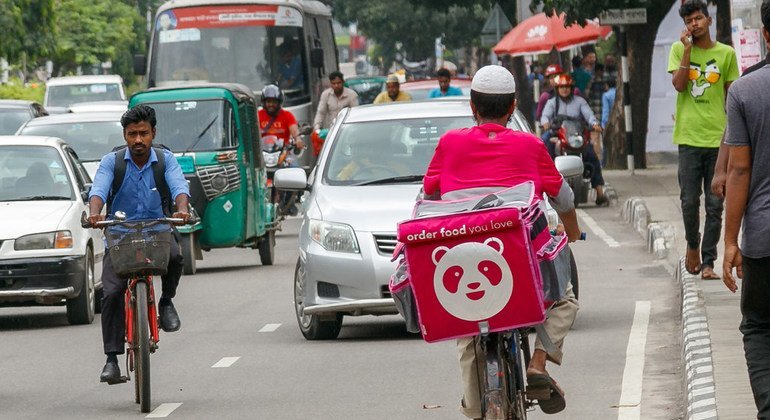
The rise of algorithmic management, where software dictates work pace, task allocation, and performance evaluation, is intensifying stress and creating safety risks for workers globally. A 2025 study from the University of Cambridge revealed that approximately two-thirds of drivers and couriers in the UK experience anxiety due to “unfair feedback” and unpredictable changes in working hours dictated by algorithms. Over half of these workers reported compromising their health and safety.
While platforms may not explicitly instruct workers to violate safety rules, incentive structures—including penalties, bonuses for speed, and prioritized order allocation—can compel workers to make dangerous decisions to maintain their income.
Shaping AI’s Future for Humanity’s Benefit
Similar issues are surfacing in various countries and sectors, with automated systems making decisions on shifts, pay, and even terminations, often with limited human oversight or appeal processes. Trade union representatives warned that deploying AI without adequate safeguards could exacerbate existing inequalities, leading to work intensification, increased surveillance, biased decision-making, and reduced human oversight in employment.
The ILO and ITU are spearheading initiatives to regulate AI’s impact on labor markets, including the “AI for Good” platform and the Global Coalition for Social Justice. The UN’s overarching goal is to ensure AI expands human potential rather than compromising worker safety and well-being, necessitating a focus on governance rooted in human rights, equality, and sustainable development.