

The majority of these deaths are preventable through accessible, low-cost interventions and quality healthcare, according to a recent report. For the first time, this analysis offers a detailed breakdown of child mortality numbers, locations, and underlying causes by integrating global estimates.
The Levels and Trends in Child Mortality report, released by the UN Inter-agency Group for Child Mortality Estimation, highlights that while under-five deaths have more than halved since 2000, the rate of reduction has slowed by over 60 percent since 2015.
Malnutrition and Major Threats to Children
Key findings indicate that over 100,000 children between one month and five years old died directly from severe acute malnutrition, a first-time global estimate. Pakistan, Somalia, and Sudan recorded some of the highest numbers. Experts suggest the actual toll might be higher, as malnutrition compromises immunity and increases susceptibility to other diseases, with many cases going undocumented.
“No child should die from diseases that we know how to prevent. But we see worrying signs that progress in child survival is slowing – and at a time where we’re seeing further global budget cuts,” stated Catherine Russell, Executive Director for UNICEF.
Infectious diseases continue to pose a significant threat, responsible for 43 percent of under-five deaths worldwide. Beyond the neonatal period, illnesses like malaria, diarrhea, and pneumonia remain leading causes of mortality, particularly in high-burden regions. Deaths are concentrated in specific countries, including Chad, the Democratic Republic of Congo, Niger, and Nigeria, where conflict, climate events, and other challenges impede access to prevention and treatment.
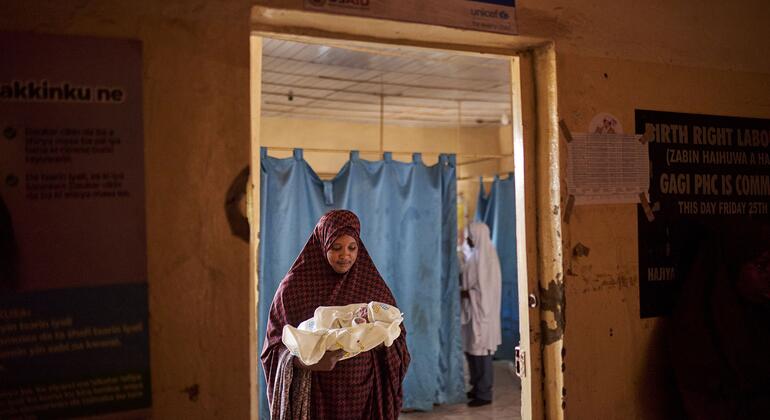
Newborn deaths now constitute nearly half of all under-five mortality, reflecting slower progress in preventing deaths around birth. Complications from preterm birth, issues during labor and delivery, and infections are the primary contributors.
Children in Conflict Zones Face Higher Mortality Risks
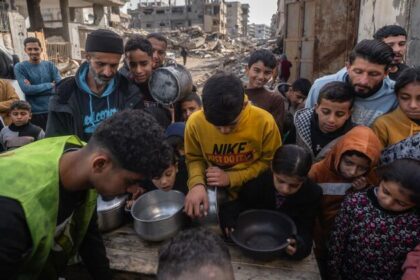
Significant geographical disparities persist, with Sub-Saharan Africa accounting for 58 percent of all under-five deaths in 2024, and Southern Asia an additional 25 percent. Children in fragile and conflict-affected areas are almost three times more likely to die before their fifth birthday compared to those in other regions.
The report also states that 2.1 million children, adolescents, and young people aged 5 to 24 died in 2024. While infectious diseases and injuries are major causes for younger children, risks evolve in adolescence, with self-harm being the leading cause for girls aged 15-19 and road traffic injuries for boys.
UN officials cautioned that dwindling development financing is placing critical maternal, newborn, and child health programs under severe strain.
Nations Off-Track for Child Survival Goals
Li Junhua, UN Under-Secretary-General for Economic and Social Affairs, described the findings as a “stark reminder” that many countries are not on pace to meet child survival targets outlined in the Sustainable Development Goals.
“We know how to prevent these deaths. What is needed now is renewed political commitment, sustained investment in primary healthcare, and stronger data systems to ensure no child is left behind,” he urged. The report emphasizes that investments in child health are among the most cost-effective development strategies, with proven interventions like vaccines, nutrition programs, and skilled birth attendance capable of saving millions of lives.