

The UN agency UNFPA, dedicated to supporting women and girls in Yemen, continues its vital work to address urgent reproductive health needs in the country. The organization issues a stark warning, highlighting how a combination of malnutrition, limited healthcare access, and escalating security risks is jeopardizing lives.
Malnutrition Crisis Deepens
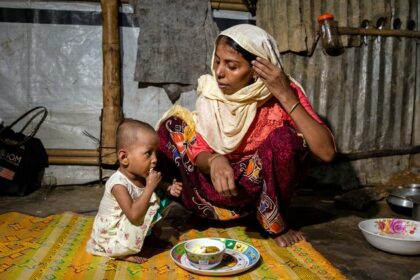
Food insecurity stands as one of the most pressing concerns. “Malnutrition is on the rise, unfortunately,” stated Francesco Galtieri, UNFPA’s top official in Yemen. The consequences are particularly severe for pregnant women, as malnutrition during pregnancy significantly heightens risks to both fetal development and the infant’s overall health.
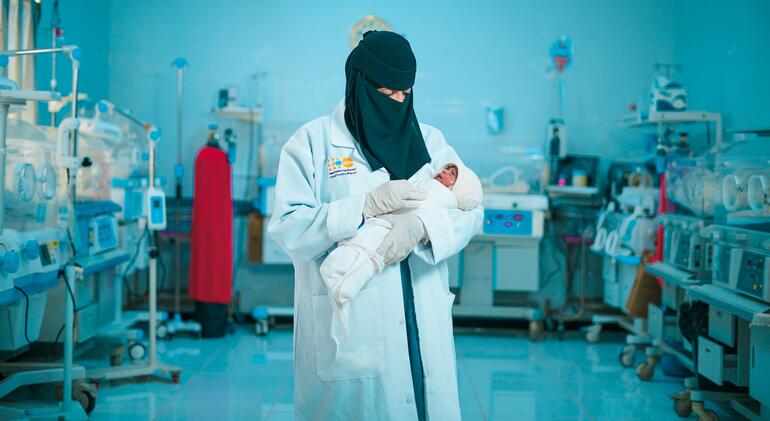
Access to healthcare remains a critical challenge, especially in rural and remote areas. Yemen already has the highest maternal mortality rate in the Arab world, with three women dying daily from pregnancy-related complications or during childbirth. It is estimated that roughly two-thirds of these deaths could be prevented with access to midwifery or medical services.
Beyond health, protection from violence is another urgent concern. Conflict and economic hardship have amplified risks for women and girls, who often bear the heaviest burden.
Funding Cuts Lead to Preventable Deaths
UNFPA-supported safe spaces provide women with refuge and pathways to recovery. These centers offer psychosocial support, vocational training, and economic empowerment initiatives designed to help survivors rebuild their lives. Additionally, legal aid is provided to those seeking justice through Yemen’s legal system.
Despite these successes, funding cuts are placing immense pressure on these programs. Galtieri noted that approximately 40% of UNFPA’s humanitarian funding was slashed last year, leading to the suspension or cessation of about one-third of its services. In a country with a high maternal mortality rate, reduced services mean a woman experiencing complications may be unable to access life-saving care, often resulting in the death of both mother and child.
Protection services have also been impacted. This year, UNFPA-supported shelters have been unable to admit survivors of gender-based violence. The cuts could also have lasting effects on children affected by malnutrition and trauma.
A Crucial Conversation
Galtieri is currently attending UNFPA Executive Board meetings in New York, where representatives from conflict-affected regions are engaging with Member States. These discussions have sparked a renewed debate around sexual and reproductive health and rights—an issue that has not received such intense scrutiny in decades.
“When a society enters a phase of tension and conflict, I always wonder why women and girls become the focus of that political conflict,” Galtieri remarked. Addressing decision-makers directly, he calls for greater investment in essential services like midwifery. He argues that prioritizing life-saving care over other expenditures should not be contentious. Funding decisions often support other priorities, despite their clear humanitarian cost. In Yemen, Galtieri warns, this cost is measured in the lives of women and girls who would otherwise survive.