

Global Education Crisis Deepens
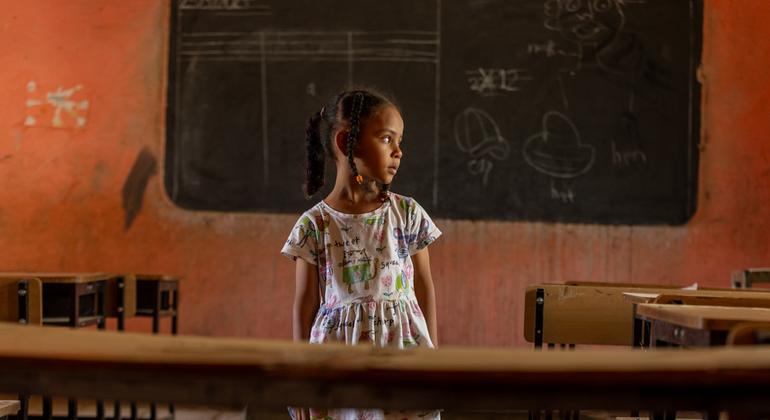
The 2026 Global Education Monitoring (GEM) Report reveals a stark reality: one in six school-age children worldwide are excluded from education, with only two-thirds completing secondary school. Progress in keeping children in school has significantly slowed across most regions since 2015, primarily due to conflict and population growth, with sub-Saharan Africa being particularly affected. In conflict zones, the situation is even more severe, with millions more children out of school than official figures indicate.
Despite these challenges, UNESCO has noted substantial gains over the past two decades, including a sharp rise in global enrollment with an average of 25 additional children accessing school every minute since 2000. Several countries have achieved remarkable success in reducing out-of-school rates and expanding educational access. However, the report emphasizes that no single policy can address exclusion, calling for tailored approaches and sustained investment to ensure universal learning.
Ukraine Faces Deadly Drone and Missile Attacks
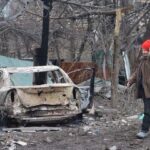
On March 23-24, Russia launched a massive wave of drone and missile attacks across Ukraine, resulting in at least six deaths and nearly 100 injuries, according to the UN Human Rights Monitoring Mission in Ukraine (HRMMU). The attacks, which involved nearly 1,000 drones and dozens of missiles, damaged residential areas, medical facilities, and energy infrastructure, including a monastery in Lviv and a maternity hospital in Ivano-Frankivsk. This tactic, involving powerful long-range weapons against densely populated areas, has been noted as an alarming repeat of previous attacks, contributing to increased civilian casualties. Since Russia’s full-scale invasion over four years ago, more than 15,000 civilian killings have been confirmed, with the actual number likely higher. Additionally, 3.7 million people are internally displaced in areas controlled by the Ukrainian government.
Migratory Species Decline Worsens
A report by the UN Environment Programme (UNEP) and the World Conservation Monitoring Centre indicates a worrying trend: nearly half of all migratory species requiring protection are declining, an increase from 44% two years ago. The percentage of species threatened with extinction has also risen to 24%, up from 22%. Elizabeth Maruma Mrema of UNEP stressed at the CMS COP15 conference in Brazil that protecting these species requires coordinated international action, as no single country can achieve this alone. She highlighted that environmental multilateralism is effective and essential, especially for migratory species that cross borders and oceans, even amidst geopolitical tensions.