

Venezuela’s legislature has unanimously passed the first reading of a proposed amnesty law aimed at fostering peace, democratic coexistence, and national reconciliation. This development follows the United States’ seizure of former President Nicolas Maduro and marks a significant step as the South American nation enters a new political era.
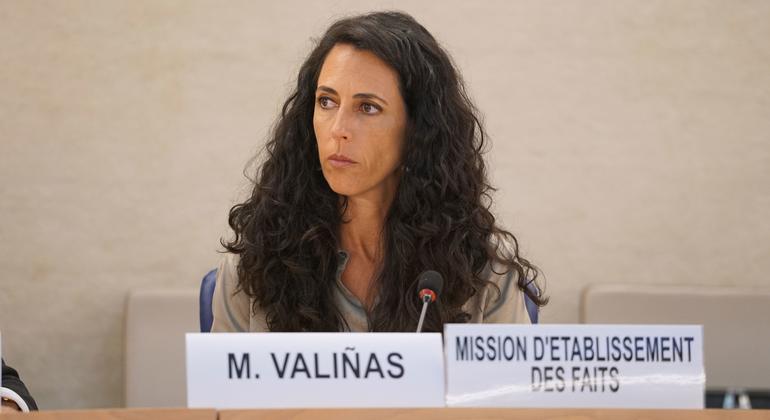
The law is intended to “offer an opportunity to provide justice and alleviate the suffering of the many people who have been unlawfully detained for political reasons in Venezuela,” stated Alex Neve, a member of the UN Independent International Fact-Finding Mission for Venezuela. He added that while the law has the potential to help restore rights and repair Venezuela’s social fabric, it is crucial that the voices of those whose rights have been violated and the civil society organizations that have supported them are central to the process.
The Broader Picture
In the wake of years of political turmoil, numerous politicians, activists, and journalists in Venezuela have faced charges such as terrorism or treason, according to human rights groups. While media reports indicate that over 300 political prisoners have been released since January 8, a significant number remain in detention.
Transparency Essential for Amnesty Law’s Impact
UN human rights experts have voiced concerns regarding the implementation of the amnesty, emphasizing that its legitimacy and effectiveness are contingent upon a transparent and inclusive process grounded in international human rights law. In a statement from the United Nations Human Rights Council, investigators highlighted the “absence of informed, inclusive, and safe public consultations.” They stressed the necessity of a transparent process with meaningful participation from victims, their families, and civil society.
Calls for Victim and Civil Society Participation
Fact-Finding Mission expert Maria Quintero advised that judicial verification procedures should involve victims, their families, representatives, and human rights organizations. This inclusion is vital to prevent the law from being misused or applied in ways that contravene international standards. Quintero also reminded that “accountability must not be forgotten.”
As the draft legislation undergoes debate within Venezuela’s government, UN experts are reiterating their call for the “unconditional” release of all political prisoners. They underscore the critical importance of ensuring the ongoing prisoner release process continues without interruption.
The Independent International Fact-Finding Mission, appointed by the Human Rights Council, was established to investigate alleged human rights violations committed in Venezuela since 2014.