

A significant surge in sexual violence used as a tactic of war, torture, terror, and political oppression was reported in 2025, according to the United Nations’ (UN) annual report released on Friday. UN Special Representative Pramila Patten stated that escalating insecurity, displacement, and dwindling resources for survivors are fueling the crisis.
Addressing reporters at UN Headquarters, Patten declared, “In 2025, documented cases of sexual violence as a tactic of war, torture, terrorism, and political oppression, characterized by extreme brutality and overwhelmingly targeting women and girls, have increased dramatically.”
The report confirmed 9,788 cases of conflict-related sexual violence in 2025. However, Patten emphasized that this figure does not fully represent the reality.
“The figures in this report should be understood as an indicator of a much wider pattern of violations that are largely unseen and underreported, not the full picture,” she stated.
Civilians Targeted
The report documents incidents of rape, gang rape, sexual slavery, forced marriage, trafficking, and abduction committed by both state and non-state actors across 21 conflict countries. While women and girls remain the primary targets, men and boys were also frequently subjected to sexual violence in detention settings and as a form of torture. LGBTQI+ individuals also faced targeted persecution and harassment.
According to the report, victims ranged in age from 1 to 70, with cases involving persons with disabilities also recorded. Patten noted that the violence was often accompanied by extreme physical abuse, such as post-rape killings and suicides among survivors.
“The essence of this report is the human suffering of all these survivors and communities living in the shadow of war,” she said.
Armed Groups and Access Issues
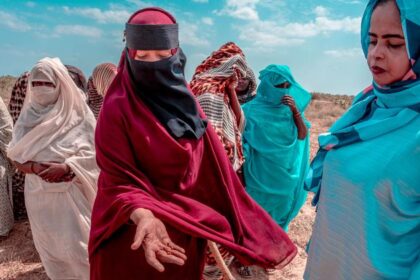
The report further indicated that non-state armed groups, including organized criminal groups, continue to use sexual violence to establish control over communities and territories, particularly in areas rich in natural resources. Displaced and refugee women and girls faced heightened risks, especially in remote and border regions where support networks have collapsed. The widespread availability of small arms also continued to fuel sexual violence in multiple conflicts. Simultaneously, humanitarian access restrictions, insecurity, and underfunding have made it difficult to document violations and assist survivors.
Documented Perpetrators Added
The report’s annex lists 77 parties held responsible for patterns of conflict-related sexual violence, with 62 being non-state actors. Newly added non-state actors include three armed groups operating in the Democratic Republic of Congo: Wazalendo armed elements, Forces of National Liberation, and the Mai-Mai group of the Patriotic Union for the Liberation of Congo. Following findings regarding ongoing patterns of sexual violence documented by the UN, Russian armed and security forces and Israeli armed and security forces were also newly listed state actors. These two parties were subject to potential listing for the previous year’s reporting period.
Call for Action
The report urges the Security Council and Member States to strengthen prevention, accountability, and support for survivors. Recommendations include ensuring unimpeded humanitarian access, expanding monitoring and sanctions mechanisms, supporting women protection advisers in UN missions, strengthening investigations and prosecutions, and increasing funding for medical, psychosocial, and legal services. Patten called for the focus to remain on survivors.
“These violations are neither isolated nor confined to a few contexts,” Patten stated. “They have devastating consequences on a global scale and require a response focused on the rights, needs, and dignity of victims and survivors, not on political posturing, selective outrage, or preconceived narratives,” she added.