


Indonesia has expressed strong support for the UN80 Initiative, a comprehensive reform effort aimed at enhancing the United Nations’ effectiveness, coherence, and delivery of results in a rapidly evolving global landscape. The initiative seeks to equip the UN to better address contemporary challenges.
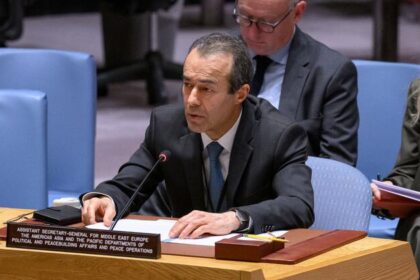
In an interview, Tri Tharyat discussed the crucial role of the UN development system in upper-middle-income countries like Indonesia and strategies for optimizing partnerships. He emphasized that the UN development system must act as a strategic partner, offering expertise to translate national needs into actionable development programs, fostering connections between government, private sector, civil society, and financial institutions, acting as a catalyst for innovative financing, and safeguarding inclusion and universal norms.
The UN’s engagement in Indonesia is guided by the Cooperation Framework 2026–2030, which aligns with national priorities spanning human development, environment and decarbonization, and economic and digital transformation. While the framework outlines 18 strategic priorities, there is a recognized risk of spreading efforts too thinly to achieve deep, catalytic impact. Addressing Indonesia’s persistent regional disparities will require specific strategies and strong commitment from provincial and municipal leaders.
Tharyat highlighted three key contributions of the UN Country Team to Indonesia: accelerating stunting reduction through integrated nutrition and sanitation programs, supporting the nation’s COVID-19 response and health system strengthening, and advancing Indonesia’s green transition and climate resilience. These achievements are seen as successes of Indonesia’s own vision and leadership, with the UN serving as a valuable partner.
Measuring success, Tharyat noted significant progress in reducing stunting prevalence from 37% in 2013 to 21.6% in 2022, attributing this to technical assistance and best practices provided by agencies like UNICEF, WHO, and WFP. During the COVID-19 pandemic, UN agencies played a vital role in genomic surveillance, oxygen supply mapping, vaccine logistics, and risk communication, supporting the delivery of over 400 million vaccine doses and maintaining routine immunization.
Partnerships in green transition and climate resilience, led by UNDP, UNEP, and FAO, have focused on mangrove restoration, early warning systems, just-energy transition planning, and sustainable agriculture, yielding tangible benefits for both people and the planet.
Tharyat advised other Ministries of Foreign Affairs to treat UN Country Teams as strategic partners, fully align the UN’s Cooperation Framework with national development plans, work closely with the UN Resident Coordinator, and create coherence among UN programs to avoid duplication.
Indonesia envisions a UN that is more responsive, effective, and trusted, capable of addressing complex global challenges. This includes a strengthened multilateral system delivering real on-the-ground impact, particularly in sustainable development, peace, and resilience. The ideal UN would be more coherent, efficient, and inclusive, reflecting the voices of developing countries and remaining anchored in its core principles while adapting to a changing world.
Reflecting on Indonesia’s role, Tharyat pointed to the nation’s 80th anniversary of joining the UN and its commitment to collective resolve and genuine partnership. Indonesia is actively seeking a non-permanent seat on the UN Security Council for 2029–2030, underscoring its dedication to contributing to international peace and security.