

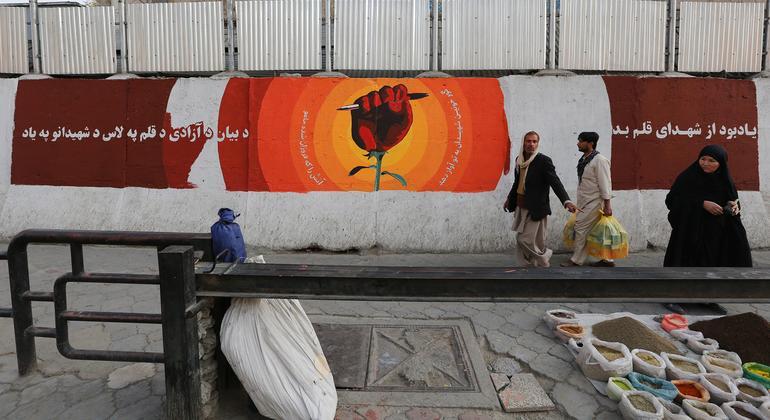
United Nations High Commissioner for Human Rights Volker Türk has issued a stark warning regarding the escalating threats faced by media workers globally, emphasizing that the normalization of such attacks leads to the decay of freedom and undermines the foundations of peace, security, and sustainable development. His message comes ahead of World Press Freedom Day, observed annually on May 3.
Türk acknowledged the bravery of reporters and photographers who document atrocities, expose corruption, and scrutinize corporate practices. However, he highlighted that journalism has become an increasingly insecure and perilous profession, with media workers facing bombing, abduction, imprisonment, and dismissal.
A Dangerous Profession
The High Commissioner noted that at least 14 journalists have been killed since January, with accountability for such killings remaining extremely low, particularly in contexts of armed conflict which pose the highest risks.
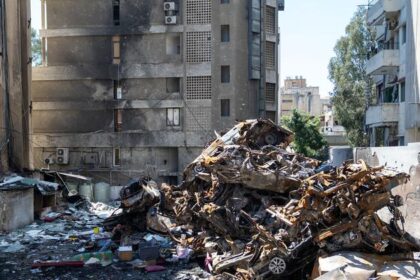
The situation in Gaza has been described as a “death trap” for the media, with nearly 300 journalists verified as killed since October 2023 and many more injured. Lebanon has been identified as the deadliest country for media workers in 2026. Local reporters covering conflicts, such as those in Sudan, have endured extreme violence and hardship while continuing their essential work.
Journalists as ‘First Casualties’
UN Secretary-General António Guterres affirmed that journalists are frequently the “first casualties” in war zones, often deliberately targeted. He added that press freedom is also under unprecedented strain due to economic pressures, new technologies, and active manipulation.
Türk echoed these concerns, stating that “virtually no country is truly safe for those who speak truth to power.” He pointed to the grave risks faced by journalists in Mexico reporting on corruption and organized crime, and expressed deep concern over media workers being primary targets of transnational repression and surveillance, citing attacks against Iranian journalists abroad.
Online Harassment and Detention
Laws concerning defamation, disinformation, cybercrime, and terrorism are increasingly being used to silence journalists, with costly legal cases employed as intimidation tactics. Approximately 330 media workers, along with around 500 citizen journalists and human rights bloggers, are currently detained worldwide.
The UN rights chief also raised concerns about online harassment and bullying, which disproportionately impact women journalists. He warned that such attacks risk creating a “disinformation society” where media are forced to obscure facts and deny science to operate safely.
Efforts to Silence the Press
Creative methods to silence the press, including restricted access, internet shutdowns, and news blackouts, are becoming more prevalent. An “unholy alliance” between political, corporate, and media power is seen as damaging democracy and polarizing societies. Economic pressures, such as funding cuts and media concentration, are forcing local news outlets to close in nearly a third of countries.
Call for Action and Protection
Despite these challenges, journalists continue to report from difficult conditions, driven by the conviction that truth is worth fighting for. Türk urged countries to end the persecution of the press, lift arbitrary restrictions, repeal abusive laws, and ensure legal frameworks align with international human rights standards. Governments are called upon to prevent attacks, protect media workers from surveillance both domestically and abroad, investigate violations, and ensure accountability.
He also appealed to tech companies to take meaningful action against online abuse and disinformation, and stressed the importance of maintaining independence, transparency, and integrity within media institutions.