

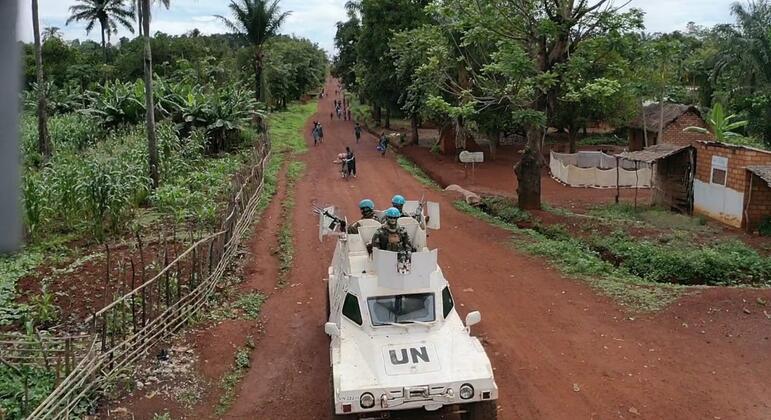
Senegalese soldiers serving with the UN peacekeeping mission in the Central African Republic (CAR), MINUSCA, are frequently deployed to counter armed assailants. Lieutenant Colonel Gérald Aranda Assine, commander of the Senegalese contingent, detailed intense combat lasting several hours under severe conditions, presenting substantial psychological, physical, mental, and moral challenges.
Operating as a Quick Reaction Force, these UN ‘blue helmets’ assisted the Central African Armed Forces (FACA) in repelling rebel advances. Their intervention successfully prevented rebels from seizing Zémio, which facilitated the continuation of scheduled elections. Lt Col. Assine affirmed, “Our soldiers held their positions,” while simultaneously ensuring the safety of refugee assembly points.
From Battlefield to Football Field: Rebuilding Communities
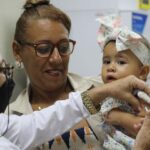
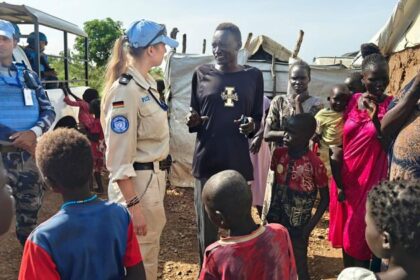
The responsibilities of a UN peacekeeper extend beyond direct military engagements. Their duties include providing free medical assistance, conducting patrols, and fostering dialogue with community leaders.
In western CAR, where the armed group “Retour, Réclamation, Réhabilitation” (3R) has committed to disarming in 2025, peacekeepers are actively working to heal societal divisions exacerbated by prolonged conflict.
Former combatants from the 3R group and the national army, alongside civilians, are now participating in community initiatives, including football matches—a development that seemed improbable only months ago.
Prioritizing Mental Well-being
The demanding and multifaceted nature of peacekeeping operations requires a strong emphasis on the personnel’s well-being and mental health. Lt Col. Assine stressed the significance of regular sports and cultural activities, alongside maintaining close contact with families, even from remote postings.
“Looking at your children and then smiling, showing them that everything is okay, despite the difficult environment you’re in, is extremely important,” he shared.
‘Now I Know I Will Be Safe’: Restoring Hope
Interactions with the local population add a crucial human dimension to the soldiers’ mission. Lt Col. Assine recounted a conversation with a former child soldier who had escaped areas controlled by armed groups.
The boy reportedly conveyed, “Because the Quick Reaction Force is there, I know that my life will not be threatened. Now I know that I will be safe.”
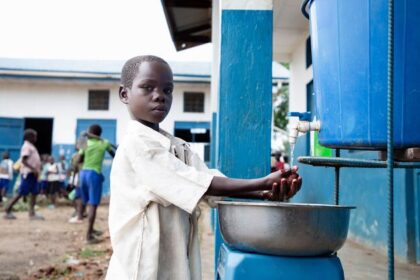
MINUSCA’s efforts have led to the reopening of schools in Zémio and the resumption of medical campaigns. Residents who had fled violence are returning, and with the mission’s support, the young boy is expected to resume his education.
For the military commander, these outcomes represent the mission’s ultimate purpose.
A Shared Goal: The Definitive Return of Peace
Beyond the intensity of military operations, the resilience of the Central African people has profoundly impacted the commander.
“I will take with me the courage and resilience of these people who agreed to welcome rebels who, not long ago, were their executioners,” he stated. “They have only one aspiration: the definitive return of peace.”
As the contingent prepares for their departure from CAR, the commander hopes the population will remember their commitment to going beyond mere security provision.
“The protection of civilians has really been at the heart of our actions,” he declared. “There is no nobler mission than being a soldier in the service of peace, a soldier of the United Nations.”