

As the World Cup approaches, the profound impact of sport in uniting societies, transcending boundaries, and fostering dialogue is highlighted. Elite athletes will capture headlines, but the influence of sports extends to all levels, connecting communities across generations and borders.
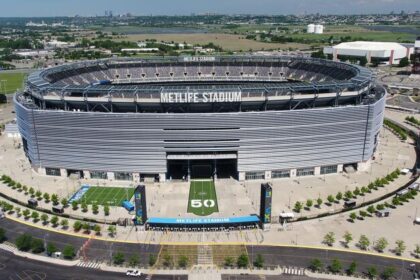
The world’s premier sporting event is set to commence in Mexico City in just over two months, with an anticipated global viewership in the billions. From June 11 to July 19, the World Cup will feature 48 national teams competing in 104 matches across Mexico, Canada, and the US.
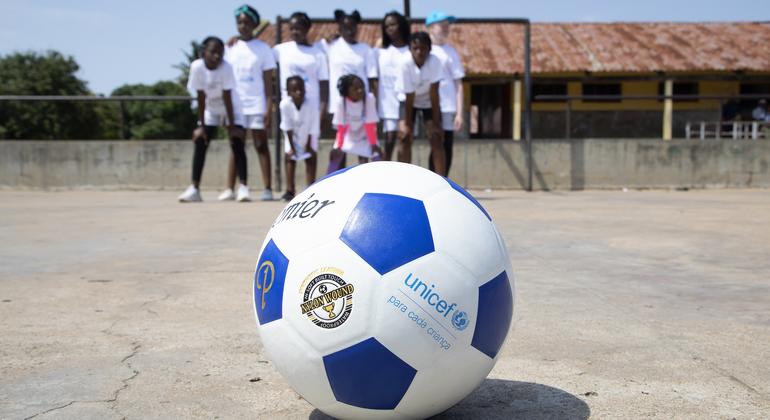
In each host city region, the Play Collective program will offer crucial funding and support to community sports organizations. This initiative aims to establish safe environments for underserved youth, demonstrating sport’s capacity to create positive social change.
This project is a collaborative effort between the Adidas Foundation, the Beyond Sport foundation, and Common Goal, a global non-profit that supports a worldwide network of community-based organizations serving 3.6 million young people annually.
Fostering Inclusivity and Unity
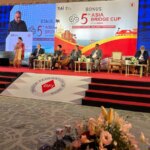
Common Goal’s Executive Director, Mary Connor, was a prominent speaker at the Building Bridges, Breaking Barriers event. This event marked the International Day of Sport for Development and Peace, celebrated annually on April 6. It underscores sport’s transformative power in driving social change, advancing the Sustainable Development Goals (SDGs), and uniting people and communities worldwide.
Ms. Connor drew a parallel between the collaborative spirit essential for success in football and the work of the United Nations. She described the UN as a space where individuals unite across differences and cultures, creating room for mutual understanding and progress despite challenges.
Nawal El Moutawakel: A Trailblazing Olympian’s Journey
In two years, the United States will also host the 2028 Summer Olympics in Los Angeles, another significant international sporting event.
Nawal El Moutawakel, a pioneering athlete, was a standout figure at the 1984 Los Angeles Olympic Games. She achieved a historic milestone by becoming the first Moroccan, African, Arab, and Muslim woman to win an Olympic gold medal in the 400-meter hurdles.
Her victory is recognized as a pivotal moment that inspired Moroccan women, providing them with the confidence and courage to pursue sports, an area previously dominated by men.
Ms. El Moutawakel has received numerous international accolades for her contributions to sports and social progress and currently serves as the Vice President of the International Olympic Committee.
Overcoming Life’s Hurdles Through Sport
During the event, Ms. El Moutawakel shared her experiences, comparing the challenges in her athletic career to the hurdles in her signature event. She stated, “My race was the 400 hurdles, a race where there is a start and a finish, and in between there are 10 hurdles. And for me, they were the hurdles of life that teach you discipline, coordination, determination, passion. Sometimes you experience failures, but I never gave up.”
She highlighted the progress in sports governance, noting that the IOC President is now a woman for the first time in 100 years, and that women constitute 50 percent of the organization at all levels. This reflects significant advancements being made.
Prominent youth athletes also shared their personal stories at the event, detailing the positive impact of sports on their lives. Among them was Ailyn Lopez, who found strength to overcome mental health challenges through football and is now a youth leader with Street Child United, an organization dedicated to supporting young people facing homelessness or extreme poverty through sport.