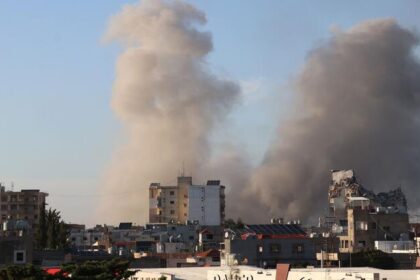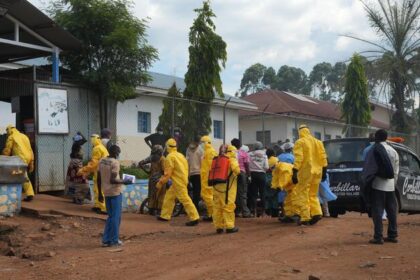


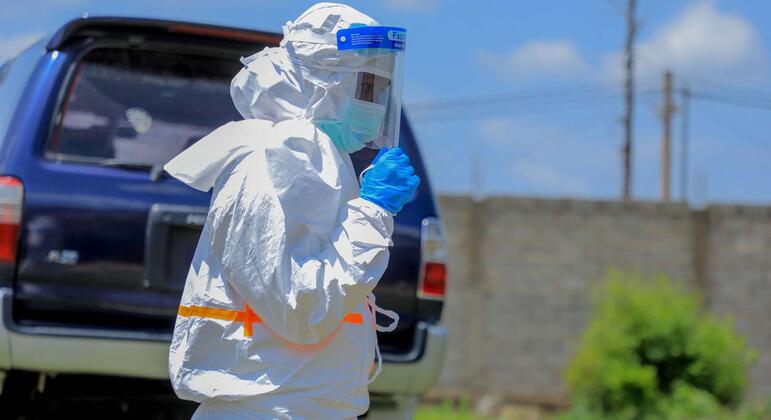
The World Health Organization (WHO) has issued a stark warning regarding the Ebola Bundibugyo virus outbreak in the Democratic Republic of Congo’s (DRC) Ituri province. WHO Director-General Tedros Adhanom Ghebreyesus highlighted that the outbreak is unfolding in an environment plagued by insecurity, attacks on health facilities, and significant population displacement, severely hindering efforts to trace contacts and isolate cases. “We cannot build community trust or isolate the sick while bombs are falling,” he stated.
The Bundibugyo strain of Ebola, first identified in Uganda in 2007, currently lacks an approved vaccine or treatment.
According to health agencies and partners, the DRC has reported over 900 suspected Ebola cases and more than 220 suspected deaths, with one laboratory-confirmed death. Neighboring Uganda has reported seven confirmed cases linked to the outbreak, including two healthcare workers and one confirmed death.
Rapidly Evolving Outbreak
The WHO has cautioned that the outbreak is geographically expanding, with evidence of cross-border transmission. While centered in Ituri province, cases have now been reported across 11 health zones, including in North Kivu (Butembo and Goma) and South Kivu, according to UNICEF.
Health officials indicate the virus is spreading through family clusters and healthcare facilities. Infections are linked to caregiving, family gatherings, and unsafe funeral practices.
Conflict Undermining Response
Containment efforts are challenged by the volatile nature of eastern DRC, where conflict involving various armed groups, including the Allied Democratic Forces (ADF), CODECO militias, and the Rwanda-backed M23 armed group, has long restricted humanitarian access. A December 2025 report by the UN peacekeeping mission MONUSCO documented ongoing violence in Ituri and North Kivu, resulting in civilian deaths and widespread displacement.
Active fighting and restrictions imposed by armed groups further impede humanitarian operations, limit civilian movement, and disrupt access to essential services.
Hunger and Disease Collide
The ongoing violence exacerbates an already severe humanitarian crisis. The latest analysis by IPC, a UN-backed global food security monitor, indicates that nearly 10 million people in Ituri, North Kivu, South Kivu, and Tanganyika face acute hunger between January and June 2026. Nationally, an estimated 26.5 million people in the DRC are experiencing high levels of acute food insecurity.
“Hunger and disease are old companions,” Tedros remarked. “People weakened by hunger are far more vulnerable to infections.”
Poor Roads, Damaged Infrastructure
The WHO notes that conflict, inadequate infrastructure, and insecurity are limiting the movement of aid and access to health services. “In many affected areas, health facilities are either non-functional or operating under severe constraints due to insecurity,” Tedros said. “Poor road conditions further restrict the movement of goods and humanitarian assistance.”
UNICEF has warned that children are disproportionately affected, not only by infection but also by the disruption of essential health, nutrition, and education services. Children affected by Ebola outbreaks often face the loss of caregivers, and stigma can lead to social isolation.
Building Trust and Calling for Ceasefire
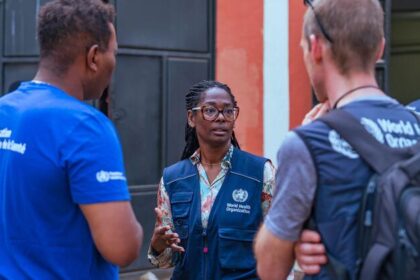
The WHO is leading a UN system-wide response, deploying emergency personnel, medical supplies, and funding to control the outbreak. The agency is also collaborating with community leaders to build trust and combat misinformation through localized public information materials.
“Community trust is the foundation of effective public health response,” stated Julienne Ngoundoung Anoko, a WHO Community Engagement Officer. “Without community support, outbreak control measures cannot succeed.”
Tedros has appealed for an immediate ceasefire to ensure safe access for humanitarian and medical teams. “Stopping this Ebola transmission depends entirely on humanitarian access,” he emphasized.