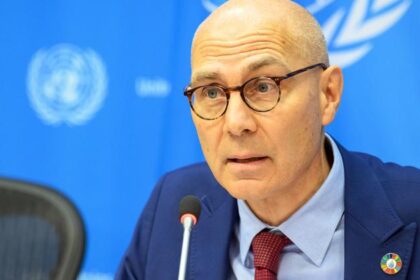



United Nations Secretary-General António Guterres has issued a stark warning about the accelerating spread of hate speech, highlighting its divisive impact on societies, its role in dehumanizing groups, and its potential to incite violence. Speaking at the launch of the Muscat Action Plan at UN Headquarters in New York, Guterres emphasized that hate speech is a fundamental component of genocide and atrocity crimes.
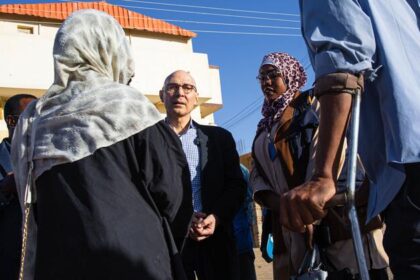
To break this cycle, Guterres called for enhanced education, support for victims, stronger interventions from technology companies and governments, and deeper engagement with local and indigenous leaders. He noted that these leaders possess crucial insights into local realities and command the respect of their communities, enabling them to de-escalate tensions and ensure the resolution of disputes is met with greater acceptance.
The Crucial Role of Traditional Leaders
The UN Secretary-General pointed out that hate speech is amplified and rapidly disseminated through unregulated platforms and artificial intelligence (AI). He reaffirmed the primary responsibility of states in preventing genocide and atrocity crimes, while stressing that all of society has a role to play. The Muscat Action Plan is the result of a multi-stakeholder process led by the Sultanate of Oman, the UN Office for the Prevention of Genocide and the Responsibility to Protect (UNOSAPG), and the Network of Religious and Traditional Peacemakers.
Action Areas and Recommendations
Guterres stated that the action plan underscores hate speech as a precursor and accelerator of violence, identifying four key areas where Member States can contribute. Firstly, he urged Member States to strengthen accountability for digital platforms and ensure user safety is integrated into the design of online products and services. Secondly, he called for reinforcing local capacity for prevention and mediation. This includes training in human rights monitoring and reporting, non-violent methods to counter violence, mentorship aligned with international standards, and education promoting respect for diversity.
Fostering Dialogue, Cooperation, and Inclusivity
Thirdly, Guterres called on Member States to foster dialogue that enhances mutual understanding and social cohesion. This involves assisting traditional and indigenous leaders in countering hateful narratives, debunking myths, refuting harmful ideologies, condemning incitement to violence, and promoting tolerance. Fourthly, he advocated for deeper cooperation among traditional, indigenous, and political actors. This includes providing more opportunities for traditional and indigenous leaders to resolve local conflicts and developing local mechanisms for preventing hate speech.
Empowering Youth, Women, and Faith Leaders
Guterres stressed that alongside traditional and indigenous leaders, faith leaders, youth leaders, and women leaders must be at the forefront of efforts to prevent hate speech and atrocity crimes. He particularly highlighted the critical importance of women’s meaningful participation, recalling the UN Security Council resolution on women, peace, and security. He affirmed states’ obligations under international law to combat hate speech and promote inclusivity, adding that freedom of expression cannot be used as a pretext for harmful messages. Guterres reiterated the UN’s commitment to advancing its strategy against hate speech and global information integrity principles, expressing confidence that together, more inclusive, just, and peaceful societies can be built.