

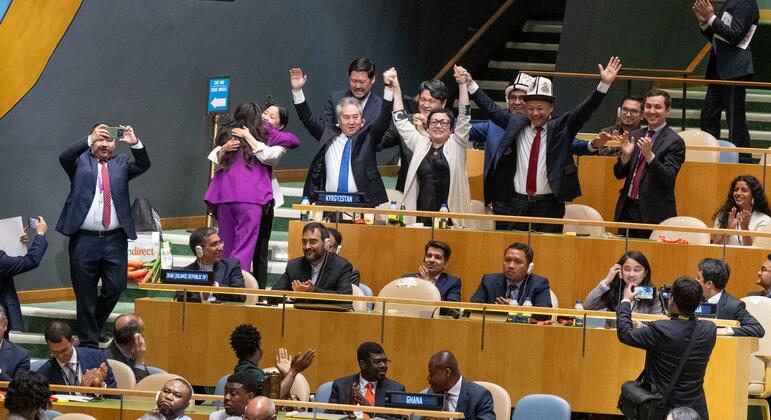
Kyrgyzstan has achieved a significant diplomatic milestone by winning a non-permanent seat on the UN Security Council for the first time in its history. This historic election comes at a critical juncture when the Council is grappling with some of the most complex global challenges in recent years.
UN Security Council Faces Pressing Issues
The Security Council’s effectiveness is increasingly strained by geopolitical rivalries among major powers, particularly its five permanent members. Deep-seated divisions over ongoing conflicts, including those in Ukraine and Gaza, have led to frequent stalemates, hindering decisive action. The frequent use of veto power by permanent members has often prevented consensus on resolutions addressing major international crises.
Mounting Calls for Reform and Representation
In parallel, the Council is facing growing demands for reform. UN and world leaders argue that its current composition no longer accurately reflects contemporary geopolitical realities. UN Secretary-General António Guterres has consistently warned that international institutions, including the Security Council, remain “stuck in the world as it was in 1945, not the world of today.” African nations, representing 54 Member States, have been particularly vocal in advocating for increased representation, highlighting their underrepresentation in the Council’s permanent decision-making bodies. Broader calls for enhanced representation from developing countries are also gaining momentum.
Scrutiny Over Veto Power
The veto power, which enables any permanent member to block Council actions regardless of widespread support, is under intense scrutiny. Since 2022, a General Assembly mandate mandates the Assembly to convene whenever a veto is cast in the Security Council. This provides a platform for the wider UN membership to examine and debate the use of the veto. While non-permanent members do not hold veto power, they can significantly influence negotiations, build coalitions, and advance issues important to their respective regions and the global community.
Core Functions of the Security Council
Established by the UN Charter, the Security Council holds the primary responsibility for maintaining international peace and security. Unlike the generally non-binding resolutions of the General Assembly, Security Council decisions adopted under the Charter can have legal force for all UN Member States. The Council is empowered to impose sanctions, authorize peacekeeping operations, establish international tribunals, and, in exceptional cases, authorize the use of force.
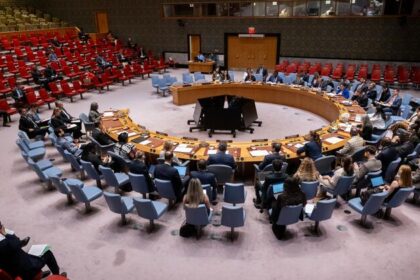
Much of the Council’s crucial work is conducted within the Security Council Chamber at UN Headquarters in New York. While public meetings garner significant global attention, many of the Council’s most impactful discussions occur privately in consultations and negotiations among its members.