

From Displacement to Determination
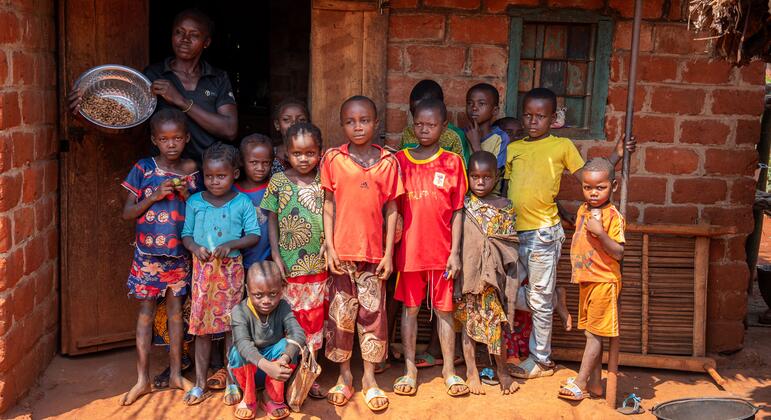
Nina, a refugee leader in the Central African Republic (CAR), has found purpose in helping others rebuild their lives and regain a sense of hope amidst the nation’s recurring cycles of conflict. CAR has been marked by conflict since 2013, with the rise of Seleka rebels and the anti-Balaka militia. In Batangafo, a town once known for its diversity, fear, insecurity, and displacement have become daily realities.
Speaking to UN News, Nina stated, “The violence of 2013 had a profound and lasting impact on my life, both personally and professionally. Like many people in Batangafo, my home, and other conflict areas, my family and I were direct victims of armed conflict. We were forced to leave our home, our belongings, and our stable life to seek refuge in neighboring Cameroon to the west. These traumatic events strengthened my resolve for peacebuilding and the protection of the most vulnerable populations, especially women and children.”
Upon returning to CAR, Nina established a non-governmental organization (NGO) called Londo E Lekere (ILEL), meaning “Let’s Rise and Build,” supported by the UN Alliance of Civilizations (UNAOC). The NGO focuses on peacebuilding initiatives and empowering women leaders.
Building Bridges in a Divided Society
In a society fractured by religious and ethnic mistrust, fostering dialogue across generations and faiths remains a significant challenge. “Ethnic and religious tensions, particularly between Muslims and Christians, have escalated since 2013, creating a deep sense of mistrust and hindering genuine interreligious dialogue,” Nina explained. She added, “Additionally, intergenerational and gender inequalities, which often lead to the marginalization of youth and women in community decision-making processes, exacerbate the situation.”
To address these divisions, ILEL creates inclusive dialogue forums, such as radio programs and awareness campaigns in schools. The NGO also encourages women as peace leaders by organizing conferences and discussions.
Youth and Gender: Turning Obstacles into Strengths
As a young woman in a role of leadership within what she described as a “patriarchal” context, Nina has faced resistance. “Elders and traditional leaders sometimes question the authority of a young woman like me to lead initiatives. This initially manifests as resistance during community awareness campaigns,” she noted.
Nina views her youth not as a limitation but as an advantage. “My youth allows me to connect with vulnerable adolescents and young people who are often excluded from dialogue and to demonstrate a dynamic women’s leadership that inspires resistance to the post-2013 challenges.”
Furthermore, she has encountered challenges directly related to her gender. “Cases of gender-based violence (GBV) have increased dramatically since 2013, with a notable surge in rates particularly observed between 2021 and 2022. This rise makes women like myself primary targets and leads to our stigmatization.”
Education: A Pathway to Peace
For Nina, education is not just a professional focus but a personal mission. “Education empowers citizens to engage in dialogues that transcend ethnic, religious, and gender differences and to understand their rights,” she emphasized. Through ILEL, she has launched projects distributing learning materials and training teachers. The focus is on involving parents, teachers, and local leaders to ensure each program truly reflects community priorities.
A Vision for Resilience
From establishing health centers to supporting local farmers and documenting victims’ stories through a community blog, Nina’s work continues to inspire in CAR and beyond. Nina stated that the values of “peace, equality, and resilience” continue to sustain and nourish her commitment to this cause. She recognizes that peace is nurtured not in conference rooms, but in classrooms, markets, and villages, by “those who refuse to give up hope.”